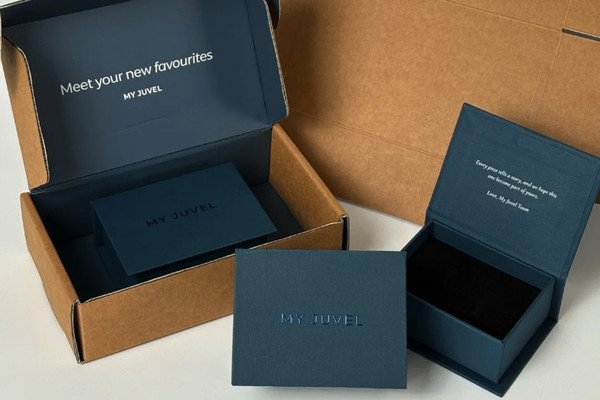
Many small brands ask me the same question: should they pay for the shipping box first, or the product box first? The answer depends on what the box must do first: protect, sell, or create a better unboxing moment.
For most small businesses, the shipping box should come first if the product is fragile, heavy, or sold mainly online. The product box should come first if the product is giftable, retail-facing, or depends on brand presentation. A smart first step is not always “the most beautiful box.” It is the box that reduces risk, protects cash flow, and supports the next sales stage.
The key is to match your packaging budget with your launch goal, not with a perfect brand dream.
What Is the Real Difference Between a Custom Shipping Box and a Product Box?
A shipping box protects the product during delivery. A product box presents the product to the buyer. Both can be branded, but they solve different problems.
A custom shipping box is usually made from corrugated cardboard. It is designed for strength, stacking, and delivery protection. A product box is usually made for presentation, retail display, gifting, or unboxing. It may use paperboard, rigid board, inserts, printing, foil, embossing, or special finishing. Before paying for custom cardboard boxes, small brands should decide which box carries the real business risk.
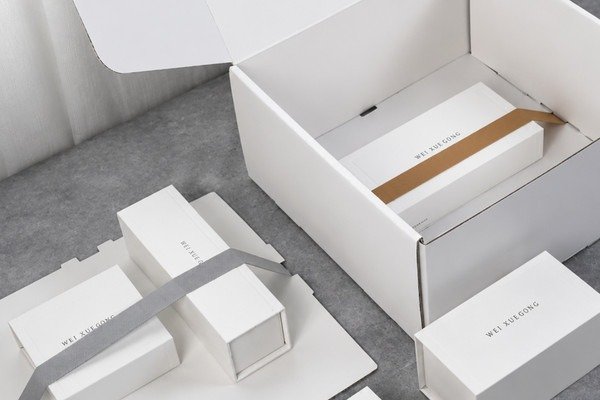
Many buyers use the word “box” for everything. But from the factory side, we do not see all boxes the same way.
A shipping box is a structure problem first. It needs to pass delivery, stacking, compression, and handling. It may look simple, but size, flute type, paper weight, and closing method matter a lot.
A product box is a brand problem first. It needs to make the product feel clear, safe, and worth the price. It also needs to match the product shape, buyer expectation, and sales channel.
Shipping Box vs Product Box
| Box Type | Main Job | Common Material | Best For | First Risk It Solves |
|---|---|---|---|---|
| Shipping box | Protect during delivery | Corrugated cardboard | E-commerce, wholesale, fragile goods | Damage and return cost |
| Product box | Present and sell the product | Paperboard or rigid board | Retail, gift, beauty, jewelry, premium goods | Low perceived value |
| Branded mailer | Protect and show brand | Corrugated board with print | Subscription, small goods | Basic unboxing |
| Rigid product box | Premium presentation | Greyboard with wrapped paper | Luxury, gifts, high-value products | Brand trust and premium feel |
For a small online launch, I usually ask one question first: can the product arrive safely without custom structure?
If the answer is no, the shipping box comes first. A damaged product can cost more than a plain box. It can also hurt reviews, refunds, and repeat sales.
If the product already has safe outer protection, then the product box may bring more value. This is common for skincare, jewelry, perfume, candles, and small gifts.
Many founders want custom packaging because they want the product to look professional. That is a good goal. But professional does not always mean complicated.
A simple brown shipper with a good sticker can be enough for the first launch. A clean paperboard product box can also be enough if the product is light and not fragile.
The real mistake is paying for the wrong box too early. A beautiful product box cannot protect a weak shipping plan. A strong shipping box cannot fully replace a premium product experience.
Both boxes matter. But they do not need to be developed at the same time.
Which Box Should a Small Business Pay For First?
I usually suggest paying for the box that protects the first sale. For online brands, this is often the shipping box. For retail or gift brands, it is often the product box.
Small businesses should pay for a custom shipping box first when delivery damage is the biggest risk. They should pay for custom product boxes first when shelf appeal, gift value, or unboxing is the main reason customers buy. The best first packaging decision is based on sales channel, product weight, fragility, retail price, and launch quantity.
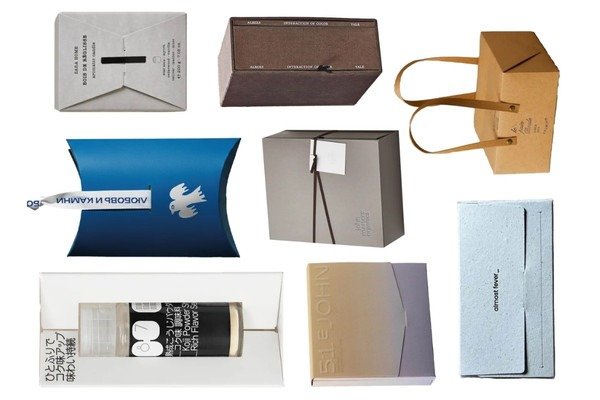
For a low-volume launch, budget is usually tight. Many founders on Reddit and startup forums face the same problem. They want branded boxes, but MOQ, setup cost, and unit price feel high.
That hesitation is reasonable. Early-stage packaging should not eat the whole launch budget.
Use the Sales Channel First
| Sales Channel | Better First Box | Why |
|---|---|---|
| Shopify / online store | Shipping box or mailer | Delivery protection comes first |
| Amazon / marketplace | Shipping-safe outer carton | Avoid damage and bad reviews |
| Retail shelf | Product box | Buyers see the box before buying |
| Gift set | Product box with insert | Presentation drives perceived value |
| Wholesale | Master carton + product box | Retailer needs both safety and display |
For e-commerce, I often recommend starting with a practical branded mailer or shipper. It can use one-color print, outside logo, or a simple message inside the lid.
This is not the most luxury option. But it is often the most useful first step.
For retail, the product box usually matters more. The customer may never see your shipping carton. They see the box on a shelf, on a table, or in a gift setting.
In that case, custom product boxes help explain the product before anyone opens it. The box can show the product name, key benefits, usage, ingredients, size, and brand story.
Think About Product Price
A $12 product cannot carry the same packaging cost as a $120 product. This sounds simple, but many first-time buyers forget it.
If the retail price is low, start with simple print, stock size, or a shared structure. Avoid too many finishes at the beginning.
If the retail price is high, the product box may be part of the value. Jewelry, perfume, candles, and luxury gifts often need better structure. A weak box can make a good product feel cheaper.
A Simple Factory-Side Rule
I often use this rule when helping buyers:
| Product Situation | First Packaging Spend |
|---|---|
| Fragile product | Shipping protection |
| Heavy product | Corrugated structure |
| Giftable product | Product box |
| Premium small item | Rigid product box |
| Low-cost test launch | Sticker, sleeve, or simple printed box |
| Many SKUs | Shared box + different labels |
This keeps the first packaging decision practical.
Small brands do not need to build the final version on day one. They need a version that works, ships, and teaches them what customers respond to.
That is the better way to think about how to get custom packaging for small business. Start with the packaging layer that protects your next step.
How Can You Lower the First Custom Packaging Cost Without Looking Cheap?
You can lower the first packaging cost by reducing custom structure, limiting print coverage, using stock sizes, sharing one box across SKUs, and adding brand details in smart places.
To reduce first custom packaging cost, keep the structure simple and make the branding focused. Use one shared box size, fewer print colors, simple inserts, stickers, sleeves, or tissue paper. Avoid too many finishes at the first order. A clean design can still look premium when the size, material, and logo placement are right.
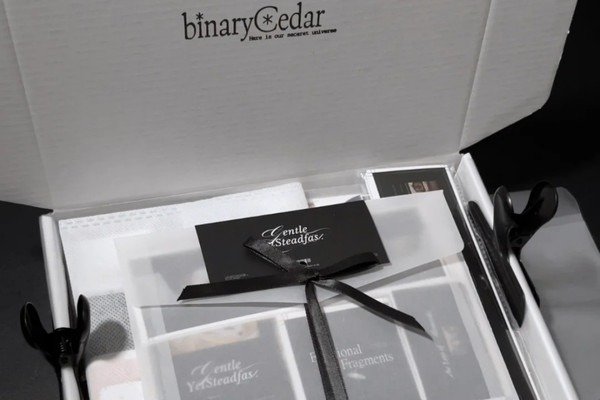
A small launch does not need every premium effect. It needs a packaging system that looks clear and does not waste money.
Many brands can start with a standard structure and customize the visible parts. This keeps the first cost easier to control.
Cost-Saving Choices That Still Look Good
| Cost-Saving Choice | What It Saves | When It Works |
|---|---|---|
| Use stock size | Saves new mold cost | Product fit is flexible |
| One-color logo print | Saves print complexity | Minimal brand style |
| Sticker instead of full print | Saves setup cost | Small first launch |
| Sleeve over plain box | Adds brand look | Many SKUs |
| Shared box for all SKUs | Improves MOQ efficiency | Same product family |
| Paper insert instead of foam | Saves material and shipping | Light products |
| Foldable box structure | Saves freight volume | Larger gift boxes |
A clean box with a good logo can look better than a busy printed box. Many buyers think more printing means more premium. That is not always true.
Premium often comes from proportion, touch, color control, and fit. A simple matte white box with a centered logo can feel more expensive than a full-print box with weak artwork.
Use Branding Where Customers Notice It
For online orders, the buyer sees the outside shipper first. Then they open it and see the inner product box, tissue, card, or insert.
You do not need to brand every layer at the beginning. Choose one or two strong brand moments.
For example:
| Budget Level | Practical Packaging Plan |
|---|---|
| Very tight | Plain shipper + logo sticker + thank-you card |
| Starter brand | Printed mailer + tissue paper + product label |
| Growing brand | Custom product box + simple outer shipper |
| Premium launch | Rigid box + insert + protective shipping carton |
This approach helps brands grow step by step.
Avoid Over-Customizing Too Early
The first version should test market response. It should not trap you with too many fixed decisions.
If the product size, SKU count, or sales channel may change, keep the packaging flexible. A sleeve, sticker, or shared box is safer than a fully custom printed structure.
For brands with many scents, colors, or flavors, I often suggest one common box. Then use different stickers or labels for each SKU.
This improves MOQ efficiency. It also keeps inventory easier to manage.
Good custom packaging design is not only about beauty. It is also about production logic, warehouse space, and future reorder plans.
When Should You Invest in Branded Boxes Instead of Plain Boxes?
You should invest in branded boxes when packaging helps customers trust the product, remember the brand, or accept a higher price. Plain boxes work for testing. Branded boxes work when presentation affects sales.
Branded boxes are worth paying for when the box is part of the buying experience. This is common for gifts, beauty, jewelry, fragrance, candles, electronics, subscription kits, and premium samples. If the product is low-cost, hidden, or purely functional, plain boxes with stickers may be enough for the first stage.
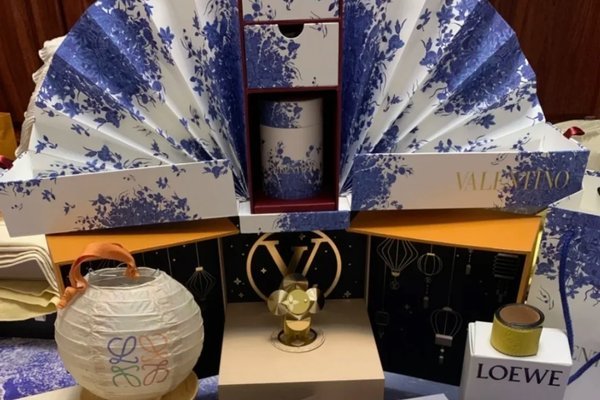
Branding becomes more important when the buyer sees the package before using the product.
For example, a perfume box must create trust before the scent is tested. A jewelry box must support the value of the jewelry. A candle box must protect the glass and also feel giftable.
In these cases, branded boxes can help the product feel more complete.
When Branded Boxes Make Sense
| Situation | Why Branding Helps |
|---|---|
| Gift product | Buyer wants it to look ready to give |
| Retail shelf | Package must explain and attract |
| Premium price | Box supports perceived value |
| Influencer seeding | Unboxing affects photos and videos |
| Subscription kit | Customer expects a brand experience |
| Crowdfunding launch | Packaging builds trust and excitement |
Still, branded does not always mean expensive.
A brown kraft mailer with a black logo can be branded. A white tuck box with a clean label can be branded. A rigid box with foil and magnetic closure is only one option.
The right level depends on product price and buyer expectation.
Match Box Quality With Product Promise
A mismatch can hurt the brand.
If the product is premium but the box feels weak, customers may question the product. If the product is affordable but the box is too costly, the brand may lose margin.
This balance matters a lot.
For small brands, I like to compare packaging cost with retail price. A box that costs too much can slow growth. A box that feels too cheap can reduce trust.
The best answer is usually in the middle.
Think in Packaging Layers
A complete packaging system may include:
| Layer | Purpose |
|---|---|
| Product box | Holds and presents the product |
| Insert | Keeps product stable |
| Tissue or wrap | Adds softness and protection |
| Thank-you card | Builds relationship |
| Shipping box | Protects during delivery |
| Master carton | Protects bulk shipment |
You do not need to customize every layer at once.
For a first launch, choose the most visible layer and the highest-risk layer. That may mean a custom product box plus a plain outer carton. It may also mean a printed shipper plus simple product labels.
Factory-side thinking is about structure, material, and quantity. Buyer-side thinking is about budget, sales, and risk. Good packaging needs both sides.
What Information Should You Send Before Asking for a Quote?
Before asking for a quote, send product size, product weight, target quantity, reference photos, logo artwork, and delivery country. This helps the factory suggest a realistic structure and price range.
To get a useful packaging quote, send your product dimensions, product weight, target quantity, reference packaging photo, logo file, and delivery country. With this information, a factory can check structure, board thickness, insert type, printing method, finishing options, packing volume, and rough shipping cost before making a sample.
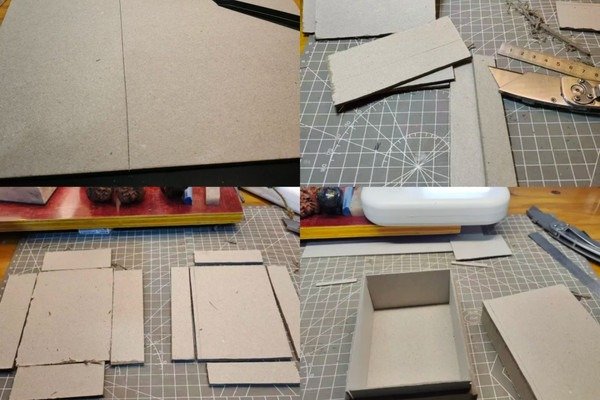
A clear inquiry saves time for both sides. It also helps avoid the wrong quote.
Many buyers ask, “How much for a custom box?” But without size, quantity, and structure, the answer can only be a guess.
A 10 cm box and a 40 cm box are very different. A light paperboard carton and a rigid magnetic box are also very different. Even the same design can change price when the insert changes.
Useful Quote Checklist
| Information | Why Factory Needs It |
|---|---|
| Product size | To design the inner space |
| Product weight | To choose board strength |
| Target quantity | To calculate unit cost and setup cost |
| Reference photo | To understand structure and style |
| Logo artwork | To check print, foil, or emboss details |
| Delivery country | To estimate packing and freight |
| Sales channel | To decide shipping or retail priority |
| Budget range | To avoid unrealistic structures |
This is the fastest way to get useful advice.
If you only send a beautiful reference image, the factory may not know whether it fits your product, quantity, or budget.
If you send a complete checklist, the factory can suggest a practical version. Sometimes we may recommend a shipping box first. Sometimes we may recommend a product box first. Sometimes we may suggest a lower-cost bridge option.
A Good First Message to Send
You can send something like this:
“Hi, I am looking for custom packaging for a small business launch. My product size is , product weight is , and my first quantity is . I like the attached reference style. My delivery country is . Could you suggest whether I should start with a shipping box or product box first?”
This gives the factory enough information to think from your side.
A good supplier should not only quote a box. They should help you avoid a wrong first packaging investment.
Conclusion
For a small business, the best first box is the one that protects sales, cash flow, and customer trust. Send your product size, target quantity, and reference photo. We can check the structure, material, insert, finishing, and rough cost from the factory side.