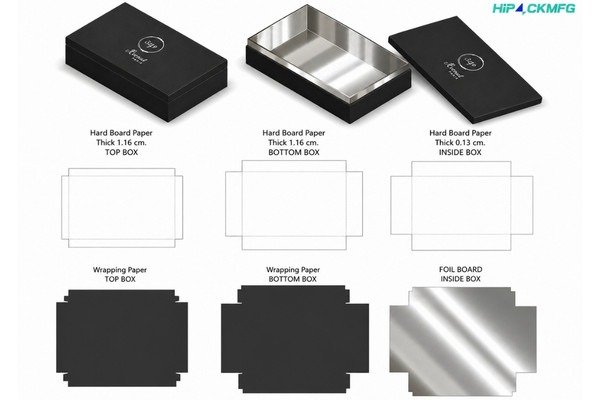
When buyers ask me about premium packaging, they often mention “hard box packaging” or “luxury gift boxes.” In factory terms, we usually call this a custom rigid setup box.
A custom rigid setup box is a premium paperboard box made from thick greyboard or chipboard, wrapped with printed paper, specialty paper, or laminated paper. It is called “rigid” because it keeps its shape and does not fold flat like a folding carton. Brands use custom rigid boxes for beauty, jewelry, perfume, candles, electronics, PR kits, and other products that need stronger protection and a more premium unboxing experience.
Before choosing a box style, it helps to understand the structure first.
What Makes a Custom Rigid Setup Box Different from a Folding Carton?
Rigid setup boxes feel stronger because they use thick board inside. Folding cartons are usually made from one thinner paperboard sheet.
A custom rigid setup box is different from a folding carton because it uses thick greyboard as the main body, then wraps that board with printed or specialty paper. A folding carton is normally thinner, lighter, and shipped flat. Rigid box packaging is better for premium presentation, stronger protection, and a more valuable first impression.
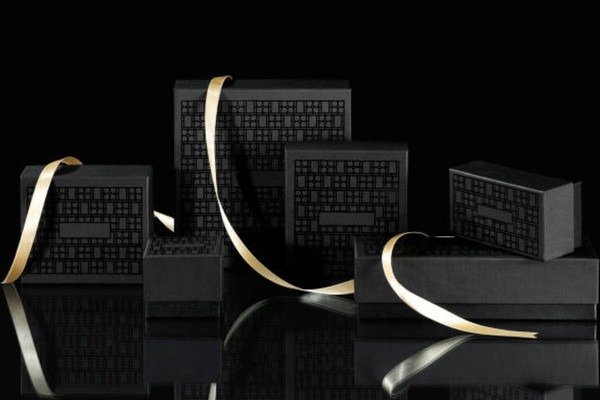
The Core Difference Is the Board
The inside board is the “bone” of the box. For many custom rigid boxes, the board can be around 1.5 mm, 2.0 mm, 2.5 mm, or 3.0 mm. The exact thickness depends on the box size, product weight, and the feeling the brand wants.
A folding carton is more like a paper shell. It is useful for skincare boxes, food-safe sleeves, small retail cartons, and light products. But it does not create the same solid hand feel.
Rigid boxes are different. They are built piece by piece. The board is cut, shaped, wrapped, glued, and finished. This is why many buyers call them hard box packaging.
Why Buyers Choose Rigid Boxes
From a buyer’s side, the main reason is not only protection. It is also trust.
When a customer receives a heavy perfume box, a jewelry box, or a magnetic gift box, the packaging says something before the product is even used. It tells the customer that the product is valuable.
| Packaging Type | Main Material | Common Use | Best For |
|---|---|---|---|
| Folding carton | Thin paperboard | Retail carton | Light products and lower cost |
| Corrugated box | Fluted board | Shipping | Transport protection |
| Rigid setup box | Thick greyboard + wrap paper | Luxury retail | Premium product presentation |
| Collapsible rigid box | Greyboard panels + magnets | Gift sets | Lower shipping volume |
Why It Costs More
Many first-time buyers ask why custom luxury rigid boxes cost more than normal cartons. The reason is simple. More material is used, and more handwork is needed.
For example, the board must be wrapped cleanly around the edges. Corners must be smooth. The lid and base need to fit well. If magnets, ribbons, inserts, or hot foil stamping are added, each step affects the final cost and lead time.
This is also why I always suggest buyers check a sample or proof before mass production. A photo looks nice, but the real box must be tested by hand.
What Materials Are Used in Custom Rigid Boxes?
A rigid box usually uses greyboard or chipboard as the structure, then uses paper wrap, printing, lamination, and sometimes inner inserts.
The main materials for custom rigid boxes are greyboard or chipboard, printed art paper, specialty paper, kraft paper, laminated paper, and inner insert materials. Inserts can be paperboard insert, EVA, EPE foam, molded pulp, velvet-covered board, or fabric-covered board. The best material choice depends on product weight, brand style, budget, and whether the box needs a luxury or eco-friendly feeling.
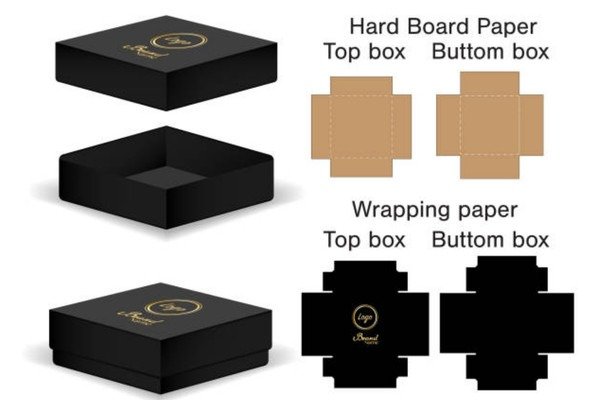
Greyboard or Chipboard
Greyboard is the main structure for most luxury rigid boxes. It gives the box strength and shape. For small jewelry boxes, 1.5 mm or 2.0 mm board may be enough. For larger gift boxes, 2.5 mm or 3.0 mm may feel better.
The board thickness should not be chosen only by feeling. It should match the box size and product weight. If the board is too thin, the box may feel weak. If it is too thick, the box may cost more and become harder to assemble.
Wrap Paper
The outside paper creates the visual style. This can be printed art paper, textured paper, kraft paper, black dyed paper, pearl paper, or leather-texture specialty paper.
For many custom rigid gift boxes, printed art paper with matte lamination is a practical choice. It supports CMYK printing, Pantone color, soft-touch lamination, and anti-scratch finish.
Specialty paper gives a more natural or luxury feeling. But it may have color limits. Some papers are available only in fixed colors. This is why I always ask for the brand color target before giving material advice.
Finishing Options
Finishing is the part buyers notice first. But it should not be added randomly.
| Finish | Best Use | Buyer Note |
|---|---|---|
| Hot foil stamping | Logo, border, small text | Good for luxury shine |
| Embossing | Raised logo effect | Works well with foil |
| Debossing | Pressed-in logo | Better on thick or soft-touch surfaces |
| Spot UV | Gloss contrast | Good on matte black boxes |
| Soft-touch lamination | Smooth hand feel | Premium but needs scratch control |
| Anti-scratch matte lamination | Dark color boxes | Good for black and navy packaging |
For dark luxury rigid boxes, anti-scratch matte lamination is often safer than normal matte lamination. Dark surfaces show fingerprints and scratches more easily.
Insert Materials
The insert is not only for display. It also protects the product during shipping.
For jewelry, velvet-covered paperboard or flocked insert can look elegant. For perfume and candles, EVA or EPE foam can hold the product tightly. For eco projects, paperboard inserts can be a better option.
There is no single best insert. A rigid box maker should check the product shape, weight, bottle base, cap size, and shipping method before choosing it.
Which Structures Are Common for Luxury Rigid Boxes?
The most common rigid box structures are lid-and-base boxes, magnetic clamshell boxes, drawer boxes, shoulder neck boxes, sleeve tray boxes, and collapsible rigid boxes.
Luxury rigid boxes can be made in many structures. A lid-and-base box is simple and classic. A magnetic clamshell box is good for premium unboxing. A drawer box works well for jewelry and small gift sets. A shoulder neck box gives a tight “Apple-style” opening feel. A collapsible rigid box helps reduce shipping volume for larger gift boxes.
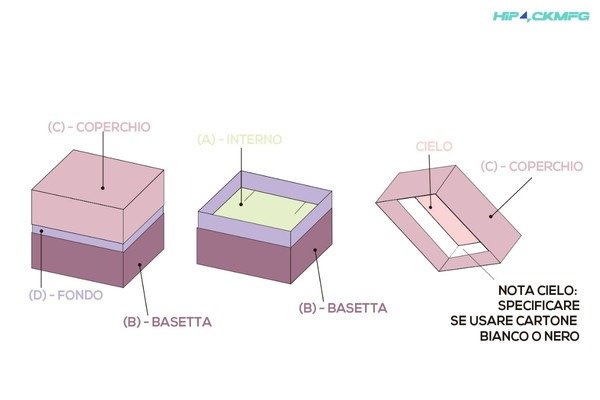
Lid-and-Base Rigid Box
This is the classic setup box. It has a separate lid and base. The structure is simple, stable, and widely used for jewelry, skincare, candles, and small gifts.
It is usually a good choice when the buyer wants a clean luxury look but does not need magnets or a special opening method.
Magnetic Clamshell Box
A magnetic clamshell box opens like a book. It often uses hidden magnets in the front flap. This style is popular for custom luxury rigid boxes, PR kits, cosmetics, electronics, and premium gift sets.
The buyer should notice one detail. Magnet strength matters. If the product is heavy, the box may need stronger magnets or a better closing structure.
Drawer Rigid Box
A drawer box has an outer sleeve and an inner tray. It can use a ribbon pull, thumb notch, or paper pull tab.
This style is good for jewelry, cards, small devices, and gift sets. It creates a slow reveal. But the tray must slide smoothly. If the fit is too tight, the buyer may feel frustrated. If it is too loose, the box feels cheap.
Shoulder Neck Rigid Box
A shoulder neck box has an inner neck that sits between the lid and base. It can create a premium slow-opening effect. Many buyers describe this as an “Apple-style” air release feeling.
This structure needs careful tolerance control. The lid and neck should fit well, but not too tight. If the product is urgent, I always suggest making a white sample first.
Collapsible Rigid Box
A collapsible rigid box looks like a rigid box after assembly. But it can ship flat or semi-flat. This helps reduce carton volume and sea freight cost.
It is useful for large gift boxes, apparel boxes, seasonal packaging, and e-commerce gift sets. But it needs magnets, adhesive areas, and clear assembly design. It is not always the cheapest box, but it can save shipping space.
How Should Buyers Check If a Rigid Box Supplier Is Reliable?
Buyers should check whether the supplier explains structure, materials, proofing, sample process, production time, and shipping risks clearly.
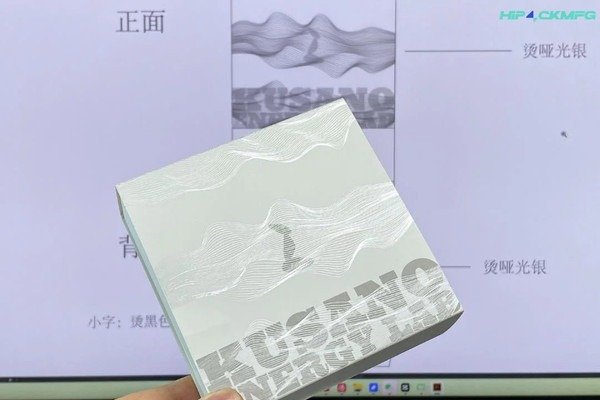
A reliable rigid box maker should not only say “yes, we can do it.” They should ask for product size, weight, target quantity, artwork, reference photo, and shipping country. They should also explain the sample process, material limits, finishing risks, and production timeline. Clear communication before payment is often more important than a beautiful catalog.
The First Question Should Not Be Only Price
I understand why buyers ask for price first. Everyone has a budget. But for custom rigid boxes, price without clear details can be misleading.
A responsible supplier should ask about the product first. The same size box can have a very different cost if the board thickness, insert, finish, and structure change.
For example, a 20 x 20 x 8 cm box can be a simple lid-and-base box. It can also be a magnetic box with EVA insert, foil logo, ribbon, sleeve, and printed inner paper. These two boxes are not the same project.
What Buyers Should Send First
To make the first feasibility check faster, buyers can send simple information.
| What to Send | Why It Matters |
|---|---|
| Product size | Helps check inner box size and insert space |
| Product weight | Helps choose board thickness and closure |
| Reference photo | Helps confirm structure and finish |
| Target quantity | Affects unit price and tooling cost |
| Shipping country | Helps estimate carton volume and shipping method |
| Logo artwork | Helps check foil, embossing, or UV feasibility |
A factory does not need perfect artwork at the first step. But a reference photo and product size help a lot.
Sample and Proof Are Important
Many buyers in business communities worry about supplier risk. I understand this feeling. A box may look simple online, but custom packaging has many details.
This is why a sample or proof is useful. A white sample can check size and structure. A printed sample can check color, logo size, finishing, and opening feel.
For premium rigid box packaging, I do not suggest skipping this step. It is better to spend time on the sample than to find a problem after mass production.
Transparent Timeline Builds Trust
A reliable supplier should explain each step. The usual process includes dieline, artwork check, sample, sample approval, material purchase, printing, board cutting, wrapping, assembly, QC, packing, and shipping.
If a supplier only gives a very short promise without details, buyers should be careful. Fast is good. But clear is safer.
What Products Are Best for Custom Rigid Gift Boxes?
Custom rigid gift boxes are best for products that need premium display, better protection, or a strong unboxing moment.
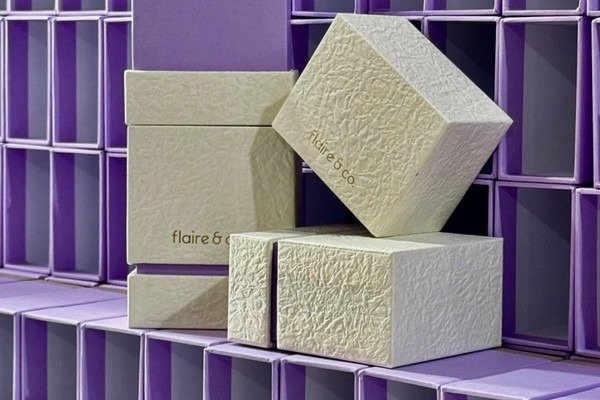
Custom rigid gift boxes are commonly used for jewelry, perfume, candles, cosmetics, skincare sets, electronics, corporate gifts, PR kits, fashion accessories, and luxury retail products. They are best when the product has a higher selling price, needs a strong first impression, or requires better protection than a folding carton can offer.
Beauty and Skincare
Beauty brands often use rigid boxes for gift sets and launch kits. The box can hold several bottles, jars, tubes, or tools in one clean layout.
For this category, insert design is very important. If the insert is too loose, bottles may move during transport. If the insert is too tight, customers may struggle to take products out.
A paperboard insert can look clean and eco-friendly. EVA or EPE can give stronger holding power. The right choice depends on the product weight and brand positioning.
Jewelry and Accessories
Jewelry packaging needs a soft and careful feeling. Velvet, flocking, suede-like fabric, and paper-wrapped board are common choices.
For necklaces, bracelets, rings, and earrings, the insert should match how the customer will remove the product. A nice-looking insert is not enough. It also needs to work in real use.
This is why I often ask for real product photos. A necklace chain, bracelet curve, or ring height can change the insert design.
Perfume and Candle Packaging
Perfume and candle boxes need protection because glass is fragile. The box should hold the product tightly. It should also protect the cap, shoulder, bottle base, or candle jar edge.
For perfume boxes, buyers should send the full bottle size, including the cap. Many size mistakes happen because the cap is forgotten.
For candles, the jar weight and wax weight both matter. A heavy candle may need thicker board or a stronger insert.
Electronics and PR Kits
Electronics and PR kits often need a clean presentation. Magnetic boxes, shoulder neck boxes, and drawer boxes are popular choices.
These boxes may need cable compartments, paper trays, instruction booklet slots, QR code cards, or foam inserts. The design should make the kit easy to open and repack.
For PR kits, the box also needs to survive shipping. A beautiful box is not enough if corners get damaged before the customer opens it.
How Do We Start a Factory-Side Feasibility Check?
The best way to start is to send the product size, target quantity, reference photo, and expected box style.
To start a factory-side feasibility check, send your product dimensions, product weight, target quantity, reference packaging photo, logo artwork if available, and delivery country. With this information, a rigid box maker can suggest the right structure, board thickness, insert type, finishing method, and rough price range before making a sample.

What I Check First
When a buyer sends a project, I first look at the product and the structure. I ask myself a few practical questions.
Will the product be heavy?
Will the lid close safely?
Does the product need an insert?
Can the finish be produced cleanly?
Will the box be too large for cost-effective shipping?
This is the difference between a catalog seller and a factory-side rigid box maker. A catalog shows what is possible. A factory check shows what is suitable.
Why Reference Photos Help
A reference photo helps me understand the buyer’s target feeling. It may show a matte black box, a gold foil logo, a drawer opening, or a soft-touch finish.
But reference photos are only a starting point. Sometimes the original design uses a costly material. Sometimes the logo effect needs a special plate. Sometimes the structure is not suitable for the buyer’s quantity.
In that case, I usually suggest a practical alternative. For example, spot UV can create strong contrast on matte black. Foil and embossing can make a logo look more premium. A paperboard insert can lower cost compared with EVA.
What Happens After the Check
After the feasibility check, the next step is usually a dieline or sample plan. If the size is clear, we can prepare a dieline for artwork. If the structure is uncertain, we can make a white sample first.
For premium rigid box packaging, this step protects both sides. The buyer can see the size and opening feeling. The factory can confirm production details before mass production.
A Simple CTA for Buyers
If you are planning custom rigid boxes, you do not need to prepare everything perfectly at the beginning.
Send me your product size, target quantity, delivery country, and one reference photo. I can help check the box structure, material direction, insert choice, and possible finishing method from the factory side.
Conclusion
A custom rigid setup box is more than a hard paper box. It is a structure, material, finishing, insert, and buyer experience combined. If the details are checked early, custom rigid boxes can protect the product and make the brand feel more valuable.