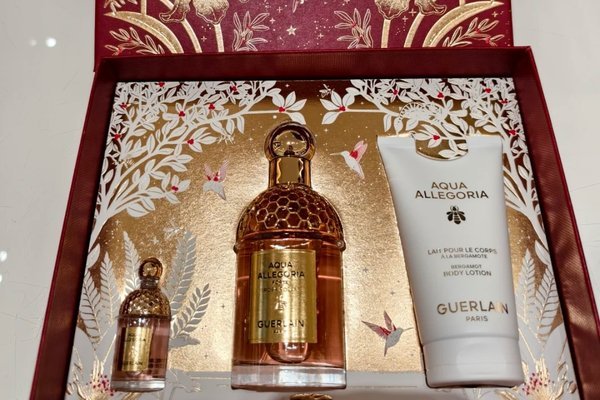
Many beauty buyers ask the with skincare bottles, soft matte surface, foil logo, and custom paper insert")
Many same question before ordering boxes. Will the outer packaging really help sales, or will it just become extra cost?
Custom printed cosmetic boxes help beauty brands protect products, build shelf appeal, and create a more premium first impression. The best box is not only beautiful. It should fit the product, hold the item firmly, match the brand color, avoid a cheap-looking finish, and control waste. For luxury cosmetic packaging boxes, the real decision is about structure, material, inserts, finishing, and MOQ.
In this article, I will explain this from the factory side, in simple buyer language.
Are Outer Cosmetic Boxes Really Important for Beauty Products?
Many beauty brands hesitate here. They worry that an outer box may feel wasteful, too expensive, or unnecessary.
Outer cosmetic boxes are important when the product needs better shelf presence, safer handling, gift value, or a stronger brand image. A cream jar, serum bottle, lipstick set, or perfume bottle can look more trusted when the box feels sturdy and well designed. However, the box should not be overbuilt. The right goal is to make custom cosmetic packaging boxes feel useful, beautiful, and responsible at the same time.
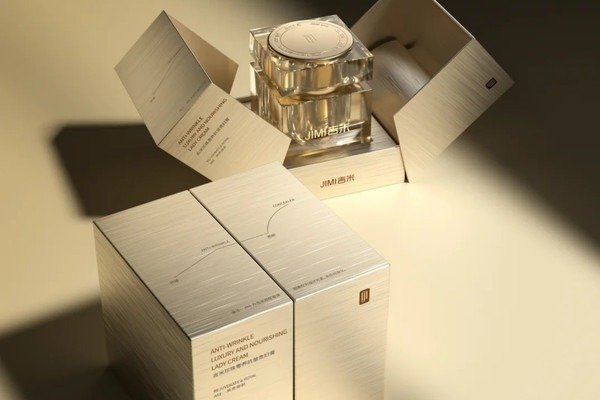
From my factory view, outer packaging becomes valuable when it solves a real problem.
For example, a glass serum bottle needs protection. A skincare gift set needs presentation. A perfume launch needs a strong first touch. A makeup kit may need clean product separation. This is why I do not suggest one box style for every beauty product.
Outer Packaging Is Not Just Decoration
A cosmetic box can support the brand before the customer opens the product. The surface, color, weight, and opening feeling all speak.
If the box feels thin, loose, or easy to crush, the product may feel cheaper. Even if the formula inside is good, the buyer may not feel enough trust. This is very common in beauty packaging.
However, more material does not always mean better packaging. A very large box around a small product can feel wasteful. It can also increase freight cost and storage space.
This is why the first factory question should be simple: what job should the box do?
| Buyer Concern | Factory-Side Packaging Answer |
|---|---|
| “Will it look cheap?” | Use better paper, clean printing, and suitable finish. |
| “Will it protect the product?” | Check product weight, shape, and inner support. |
| “Will it feel wasteful?” | Reduce empty space and choose smarter inserts. |
| “Will it fit retail?” | Design size, opening, and logo position for shelf display. |
| “Will it be too expensive?” | Match structure and MOQ with the launch stage. |
For many beauty brands, the outer box is part of the product experience. It does not need to be heavy every time. But it should feel intentional.
This is especially true for luxury cosmetic packaging boxes, where buyers expect a better hand feel, cleaner edges, and stronger presentation.
Which Finishes Make Custom Printed Cosmetic Boxes Look Premium?
Finishing is where many brands get excited. Foil, embossing, debossing, UV, matte lamination, and soft-touch surfaces all look attractive.
The best finishes for custom printed cosmetic boxes depend on the brand style and product price level. Soft-touch matte lamination gives a smooth premium feel. Anti-scratch lamination helps dark boxes stay clean. Foil stamping adds a luxury highlight. Embossing or debossing creates touch. Spot UV can make a logo or pattern shine. The right finish should support the design, not overload it.
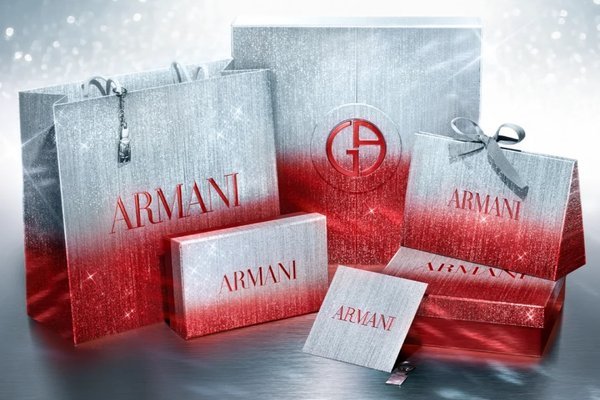
In our work, I often remind buyers that premium packaging is not about using every finish.
For example, a black skincare box with gold foil, full UV pattern, embossing, and glossy lamination may look too busy. A simple matte black box with one clean foil logo may look more expensive.
Match Finish With Brand Position
A clinical skincare brand may need clean white paper, light embossing, and precise color. A natural beauty brand may prefer uncoated paper, kraft paper, or textured paper. A luxury perfume brand may need rigid board, deep color, foil stamping, and a more solid opening feeling.
This is why the finish should follow the brand mood.
| Brand Style | Suitable Finish Direction |
|---|---|
| Clean skincare | Matte lamination, blind deboss, soft neutral color |
| Luxury perfume | Foil stamping, rigid board, deep color, magnetic closure |
| Natural beauty | Textured paper, kraft paper, FSC paper, minimal print |
| Makeup launch | Bright color, spot UV, foil logo, bold graphics |
| Dermatology brand | White paper, precise print, simple coating |
For dark color boxes, I usually suggest anti-scratch lamination. Dark paper can show fingerprints, rubbing marks, and small scratches more easily. This is especially true for black, navy, burgundy, and deep green boxes.
For brand color, I also suggest checking Pantone color matching, not only CMYK print. Large beauty brands care a lot about exact color. A slightly wrong pink, beige, or green can change the brand feeling.
Finish Should Also Consider Production
Some finishes look strong in a rendering but become weak in real production. Blind embossing on a very light color can be too subtle. Thin foil lines may break. Large foil areas can show pressure marks. Spot UV on soft-touch lamination needs correct testing.
This is why a physical sample is important. A screen image cannot show real hand feel, light reflection, or opening strength.
Good finishing is not magic. It is a balance between beauty, machine limits, handwork, and cost.
How Should Inserts Protect Beauty Products Without Looking Wasteful?
Many cosmetic products are fragile, heavy, or easy to scratch. This is where inserts become very important.
Cosmetic box inserts should hold products firmly, protect them during handling, and present them neatly when the box opens. Common insert options include paperboard inserts, EVA foam, molded pulp, corrugated dividers, and paper-wrapped rigid inserts. For sustainable beauty packaging, paper-based inserts are often better than plastic trays. The best insert depends on product weight, shape, bottle material, and display style.
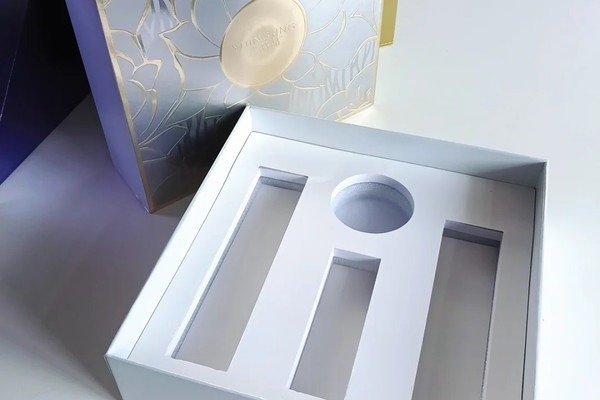
For beauty packaging, the insert is not only a protection part. It is also part of the unboxing moment.
When the customer opens the box, the products should stay in place. A serum bottle should not roll. A cream jar should not shake. A lipstick should not fall out. A glass bottle should not hit another bottle.
Choose Insert by Product Risk
A light paper tube may only need a folded paperboard insert. A heavy glass jar may need a thicker paper-wrapped insert or EVA. A full skincare gift set may need several cavities with finger holes.
However, many brands now want less plastic. They also worry that a thick foam insert may look wasteful. In this case, we can test paperboard structures first.
| Insert Type | Best For | Main Advantage | Possible Concern |
|---|---|---|---|
| Paperboard insert | Light bottles, tubes, lipstick | Lower plastic use, clean look | Needs good structure testing |
| EVA foam insert | Heavy glass jars, fragile items | Strong holding and cushioning | Less eco-friendly look |
| Molded pulp insert | Eco skincare sets | Natural and protective | Tooling cost can be higher |
| Corrugated divider | Larger sets, shipping support | Strong and cost-effective | Less luxury if exposed |
| Paper-wrapped rigid insert | Premium gift sets | Strong and beautiful | More handwork cost |
For eco-focused beauty brands, sustainable beauty packaging should not only mean recycled paper on the outside. The inside structure also matters.
For example, a box can use FSC paper outside and still use a large plastic tray inside. Some customers may see that as inconsistent. A better choice may be a paper insert, molded pulp insert, or paper-wrapped greyboard insert.
Reduce Empty Space
One common mistake is making the box too large to look “luxury.” This can backfire.
A big empty box may feel impressive at first. But after opening, customers may feel the product is smaller than expected. It also increases freight cost, carton size, and material use.
This is why I like to start with the product size first. Then we build the box around the product, not the other way around.
For custom printed cosmetic boxes, the insert and outer box should work as one system. If the insert is weak, the box still feels low quality. If the outer box is beautiful but the product shakes inside, the experience is broken.
Which Box Structure Fits Skincare, Makeup, Perfume, or Gift Sets?
A cosmetic box should not be chosen only by looking at a nice picture. Different beauty products need different structures.
The right cosmetic box structure depends on the product category, weight, retail use, and unboxing goal. Folding cartons are good for light single items. Rigid boxes work better for premium skincare, perfume, gift sets, and PR kits. Drawer boxes feel elegant for sets. Magnetic clamshell boxes feel premium and easy to open. Sleeve boxes can add a clean retail look without too much cost.
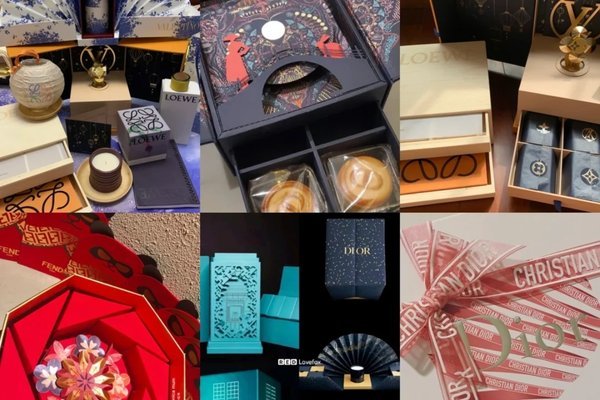
From the factory side, structure affects almost everything. It changes material use, handwork time, shipping volume, assembly speed, and unit price.
This is why I do not like to quote only from a photo. A reference photo is helpful, but it does not show the product weight, quantity, or sales channel.
Structure Should Follow Product Use
A retail lipstick box may only need a printed folding carton. A luxury skincare set may need a rigid box with insert. A perfume bottle may need a stronger structure because glass is heavy and breakable. A PR kit may need a larger opening surface for storytelling.
| Product Category | Suggested Structure | Why It Works |
|---|---|---|
| Lipstick or mascara | Folding carton or sleeve box | Light, efficient, good for retail |
| Cream jar | Rigid lid-and-base box | Stronger and more premium |
| Serum bottle | Rigid box with insert | Better protection for glass |
| Perfume bottle | Magnetic rigid box or shoulder box | Stronger presentation and support |
| Skincare gift set | Drawer box or clamshell box | Good unboxing and product layout |
| PR or influencer kit | Large rigid gift box | Better storytelling and display |
For custom cosmetic packaging boxes, I usually ask the buyer one question first: where will the box be used?
Retail packaging, e-commerce shipping, gift presentation, and influencer PR all need different thinking. A box that looks beautiful in a store may not survive direct shipping without an outer carton. A box made for a gift set may not be cost-effective for a small single item.
Rigid Box or Folding Carton?
This is a very practical decision.
Folding cartons are thinner and more cost-effective. They are good for single products and larger retail runs. Rigid boxes are thicker and more premium. They are better for gift sets, high-value products, and brands that want stronger presentation.
However, rigid boxes also need more handwork. They take more space if they are not foldable. They usually need higher MOQ to control price.
So the structure should match both the product and the business stage. A new brand may start with a simple structure. A mature brand may invest in a more premium rigid box system.
Why Does MOQ Change the Real Price of Cosmetic Packaging Boxes?
MOQ is one of the most difficult topics for new beauty brands. Many buyers want 50 or 100 custom boxes first.
MOQ changes the price because custom cosmetic boxes need setup work before mass production. Printing plates, die-cutting tools, foil plates, material ordering, machine setup, color testing, and hand assembly all cost time. When quantity is very small, these fixed costs are spread over fewer boxes. This is why 100 boxes may not be much cheaper than 300 or 500 boxes in real factory production.
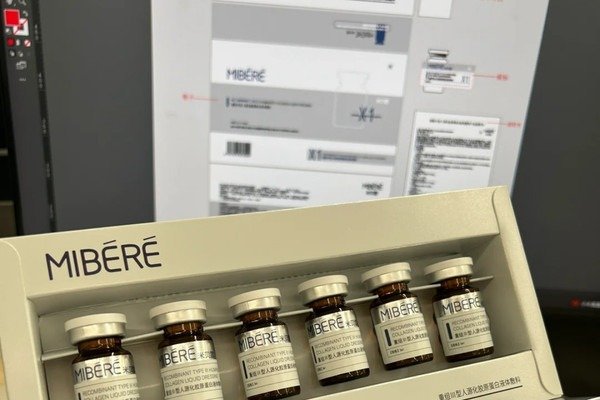
I often explain MOQ with a simple idea. A factory is more like a production line, not a kitchen.
If you cook one meal at home, you can change everything quickly. But in a factory, we need material preparation, printing setup, die-cutting, finishing, QC, packing, and scheduling. These steps do not disappear just because the order is small.
What MOQ Really Covers
MOQ is not only about material. It is also about production efficiency.
For example, if a box needs foil stamping, we may need a foil plate. If it needs a new structure, we need a dieline. If it needs exact color, we need print testing. If it needs an insert, we need structure checking.
This is why packaging dieline and sampling work matter before mass production.
| Cost Item | Why It Matters |
|---|---|
| Dieline setup | Confirms size, fold, insert, and structure |
| Printing setup | Makes color and artwork ready for production |
| Finish tooling | Needed for foil, embossing, or debossing |
| Material ordering | Special paper may need minimum purchase |
| Hand assembly | Rigid boxes need skilled manual work |
| QC and packing | Protects the final boxes before shipment |
For luxury cosmetic packaging boxes, MOQ is even more important. Premium finishes and rigid structures need more setup. If the quantity is too low, the unit cost becomes high very quickly.
However, this does not mean every buyer must start with a huge order. We can often suggest a smarter first step.
Smarter First-Order Thinking
For a new beauty brand, I may suggest one shared box structure for several SKUs. Then the buyer can use different stickers, sleeves, or printed labels to separate products.
For example, three serum types can share one box size if the bottle size is the same. A cream jar and face mask may need different inserts, but the outer box can sometimes stay similar.
This helps the buyer reduce setup cost and reach MOQ more easily.
Another option is to start with a simpler finish. Instead of foil plus embossing plus UV, we may use one strong finish first. Then the brand can upgrade the box after the product gets stable sales.
The goal is not to force buyers into expensive packaging. The goal is to find a structure that can really work in production, sales, and shipping.
Conclusion
Custom printed cosmetic boxes should look premium, protect the product, and avoid waste. If you are not sure which structure fits your skincare, makeup, perfume, or gift set, send us your product category, size, weight, quantity, and target market. I can suggest a factory-side rigid box direction.