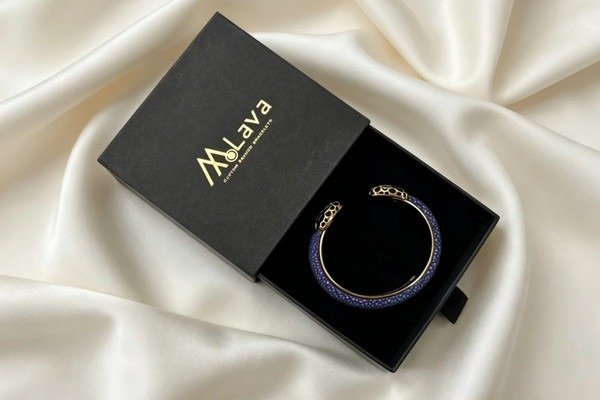
As a bracelet box manufacturer, I know buyers often worry about sample proof, insert fit, velvet quality, and delivery time. A good bracelet box should protect the jewelry, present the brand clearly, and make the first custom order feel safer.
A good bracelet box manufacturer should explain structure, insert, velvet, logo process, sample proof, lead time, and quantity before production starts. For bracelet packaging, the key points are bracelet size, bracelet shape, weight, display angle, insert material, velvet color, box opening style, and brand positioning. A clear factory-side check helps buyers avoid loose inserts, weak presentation, wrong velvet tone, and unclear production expectations.
Before I quote, I prefer to understand the product first. A bracelet box is small, but the details decide the final feeling.
What Should Buyers Check Before Choosing a Bracelet Box Manufacturer?
Many buyers do not only worry about price. They also worry about trust, communication, proof, and whether the supplier can control details.
Before choosing a bracelet box manufacturer, buyers should check sample policy, artwork proof, lead time, insert method, material options, logo technique, and communication speed. A reliable factory should not only sell a box. It should explain how the bracelet sits inside, how the velvet protects the surface, how the logo is made, and what can be confirmed before mass production.
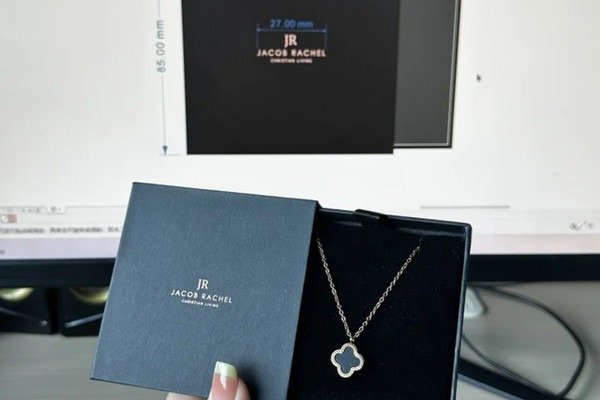
When I work with jewelry brands, I often see one common hesitation. The buyer likes the product photo, but still feels unsure.
That is normal.
A photo can show the outside color. It cannot fully show hand feel, insert tightness, velvet softness, hinge strength, or logo depth. That is why a factory-side process matters so much.
First, ask what can be confirmed before production
For a new project, I suggest checking three things early: structure, sample, and proof.
The structure decides the box type. It can be a lid-and-base box, hinged box, drawer box, magnetic box, or travel-style case.
The sample helps the buyer touch the real material. It also helps check the bracelet position.
The proof helps confirm logo size, logo position, printing color, and artwork direction.
| Buyer Concern | What I Suggest Checking | Why It Matters |
|---|---|---|
| Supplier reliability | Sample, proof, and clear quotation | Reduces first-order risk |
| Bracelet movement | Insert size and groove depth | Avoids shaking during shipping |
| Premium feeling | Velvet, suede, leatherette, or paper wrap | Builds perceived value |
| Logo quality | Foil, emboss, deboss, UV, or print | Affects brand memory |
| Delivery risk | Sample time and production time | Helps plan retail launch |
A real factory should not be afraid of details. If a supplier only says “yes, we can do it,” but does not ask about bracelet size or display style, the risk is higher.
Then, compare communication quality
Good communication is not only fast reply.
It means the supplier can explain why one structure is better than another. It also means they tell you when something is not ideal.
For example, a thin chain bracelet may need a soft pad and small elastic holder. A heavy bangle may need a firmer EVA insert. A luxury bracelet may need a deeper velvet insert and a slower opening feeling.
As a custom jewelry box manufacturer, I do not want buyers to approve a pretty photo only. I want them to understand what will happen in production.
That is the safest way to start.
How Do Inserts Change the Quality of a Bracelet Box?
The insert is the part that holds the bracelet. It looks simple, but it controls protection, display angle, and the customer’s unboxing feeling.
Bracelet box inserts can be made from EVA, EPE foam, paperboard, velvet-wrapped pads, suede pads, or molded structures. For fine jewelry, a firmer insert keeps the bracelet stable. A soft velvet surface protects the metal and stones. The best insert depends on bracelet size, weight, shape, and whether the brand wants a flat display, raised display, or travel-safe hold.
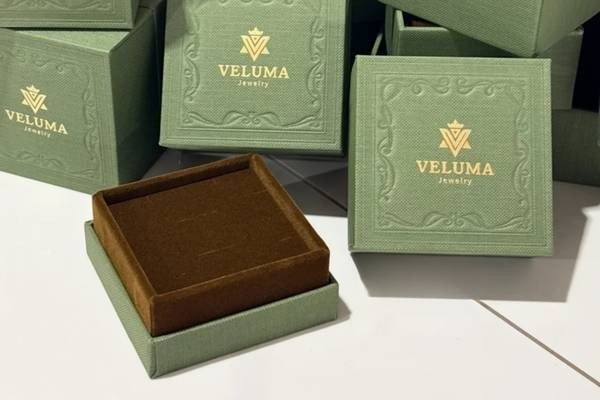
For bracelet packaging, the outside box gets attention first. But the insert often decides whether the box feels premium or cheap.
A bracelet is not always easy to hold. It can be soft, round, thin, thick, heavy, or easy to scratch.
So I always ask for the product size first.
Match the insert to the bracelet type
A chain bracelet usually needs gentle support. It may need a soft cushion, small cuts, or elastic fixing.
A bangle needs a different logic. It needs a firmer space, because it can move during shipping.
A charm bracelet may need more depth. The charms can scratch each other if the insert is too loose.
| Bracelet Type | Better Insert Choice | Factory Reason |
|---|---|---|
| Thin chain bracelet | Velvet pad with small holding cuts | Soft and clean for light jewelry |
| Heavy bangle | EVA insert with velvet wrap | Stronger support and less movement |
| Charm bracelet | Deeper groove with soft lining | Reduces friction between charms |
| Luxury bracelet set | Layered insert or raised display pad | Gives a stronger gift feeling |
| Travel bracelet case | Firmer molded insert | Better for repeated opening and closing |
A good insert is not only about beauty. It is also about tolerance.
If the groove is too tight, the bracelet is hard to remove. If it is too loose, the bracelet may move and scratch.
This is why a real bracelet box manufacturer should ask for exact bracelet dimensions. Photos help, but measurements help more.
Think about the customer’s hand movement
A premium box should feel easy to use.
The customer should open the box, see the bracelet clearly, and remove it without fighting the insert. This small moment affects the brand impression.
For fine jewelry packaging, I usually prefer a clean display angle. The bracelet should sit naturally. It should not look forced.
Some brands want the bracelet to stand higher. Some want it flat and elegant. Some want a travel-safe hold.
All three directions are possible. But they need different insert engineering.
That is why I do not like guessing from one photo only. A reference photo is useful. A real product size is much better.
Why Does Velvet Matter in Premium Bracelet Presentation?
Velvet changes the first feeling of a bracelet box. It adds softness, depth, and contrast around the jewelry.
Velvet is often used in premium bracelet boxes because it protects the bracelet surface and improves visual contrast. Dark velvet makes gold, silver, and stones look brighter. Light velvet gives a soft and clean feeling. The factory must control velvet direction, glue marks, wrapping edges, and color matching, because small defects are easy to see in fine jewelry packaging.
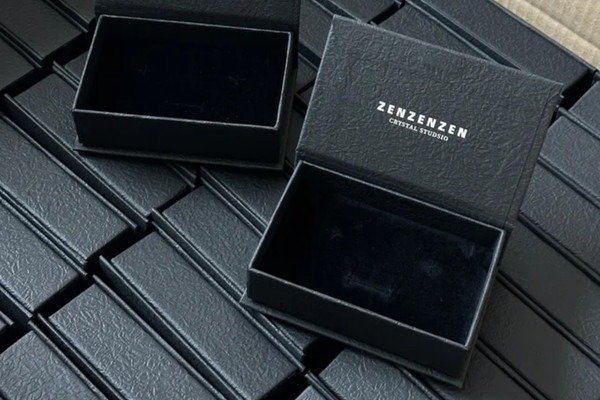
Velvet is not just decoration. It is a working material.
It touches the jewelry. It reflects light. It also shows whether the factory did the details cleanly.
For high-end bracelet boxes, I usually check four things: velvet color, velvet pile, wrapping edge, and glue control.
Dark velvet or light velvet?
Dark velvet often gives a stronger luxury feeling. Black, navy, deep green, burgundy, and dark brown are common choices.
These colors make metal and stones stand out. They also help the box feel deeper and more expensive.
Light velvet feels softer. Cream, beige, pale pink, and light grey can work well for delicate jewelry brands.
But light colors show dust and glue marks more easily. The factory needs cleaner handwork.
| Velvet Color | Best For | Possible Risk |
|---|---|---|
| Black | Luxury, classic jewelry | Shows dust easily |
| Navy | Fine jewelry and gift sets | Needs stable color matching |
| Burgundy | Gold jewelry and warm branding | Can look too strong if overused |
| Cream | Bridal and soft luxury brands | Shows glue marks more easily |
| Grey | Modern jewelry brands | May look flat if jewelry is silver |
As a jewellery box manufacturer, I like velvet because it gives strong presentation value. But I also remind buyers that velvet needs careful production control.
Velvet direction matters
Velvet has pile direction. When the hand brushes it one way, the color looks deeper. When it goes another way, the color may look lighter.
This is normal, but it must be controlled.
If different inserts use different velvet directions, the same box can look uneven. For a premium order, the factory should keep direction consistent.
Edges also matter. A rough cut edge can make the insert look cheap. A clean wrapped edge makes the whole box look more expensive.
For custom jewellery boxes, small details are not small. They are exactly what the customer sees first.
Which Box Structure Works Best for Bracelet Packaging?
The best bracelet box structure depends on the brand level, selling channel, shipping method, and how the bracelet should be displayed.
Common bracelet box structures include lid-and-base boxes, hinged boxes, drawer boxes, magnetic boxes, and travel cases. Lid-and-base boxes are simple and cost-friendly. Hinged boxes feel more premium. Drawer boxes create a slow reveal. Magnetic boxes give a strong gift feeling. Travel cases are better when the buyer wants reusable packaging supplies for jewelry.
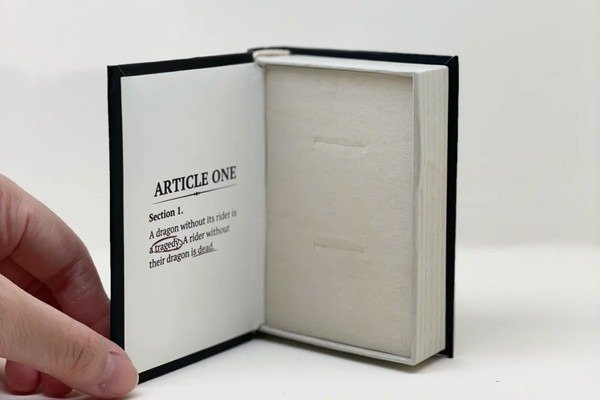
A bracelet box should not be chosen only by style. It should match the product and the sales situation.
For example, a retail counter may need a compact box. An online order may need stronger protection. A luxury gift set may need a stronger opening feeling.
That is why I usually ask how the box will be used.
Simple structure or premium structure?
A lid-and-base box is easy to understand. It can be good for wholesale jewelry packaging suppliers who need stable cost and simple packing.
A hinged box feels more complete. The lid stays connected to the base, so the customer opens it like a small case.
A magnetic box gives a stronger closing feeling. It can work well for giftable bracelet packaging.
A drawer box creates a slower reveal. It can feel elegant, but the insert must be stable.
| Box Structure | Best Use | Buyer Benefit |
|---|---|---|
| Lid-and-base box | Cost-controlled retail packaging | Simple and stable |
| Hinged box | Premium bracelet presentation | Better opening experience |
| Drawer box | Gift and boutique packaging | Slow reveal feeling |
| Magnetic box | Luxury or branded gift box | Stronger perceived value |
| Travel case | Reusable bracelet storage | More practical after purchase |
If the bracelet is expensive, the box should not feel too light. A heavier board, soft-touch surface, velvet insert, and clean logo can help.
If the bracelet is sold in larger quantities, cost and packing speed matter more. In that case, I may suggest a simpler structure with a good insert.
Do not overbuild every box
Some buyers think a premium box must always be the most complex box.
I do not fully agree.
The right box is not always the most expensive one. It is the box that matches the jewelry value, brand story, and order quantity.
For example, a small bracelet sold online may not need a very heavy magnetic box. A clean rigid box with soft velvet can already feel good.
But for fine jewelry packaging, a very thin paper box may not support the product value. The customer may feel the bracelet is less special.
This balance is important.
A good factory should help buyers find the right level. That is more useful than pushing the highest price option.
How Can a Factory Make the First Order Feel Safer?
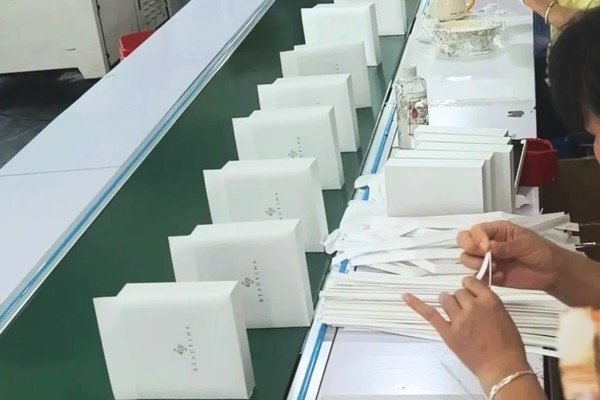
A first order becomes safer when the buyer can see the process clearly. The factory should explain quotation, dieline, artwork proof, sample, production, quality check, and shipping.
To make the first bracelet box order safer, send product size, bracelet weight, target quantity, reference photo, logo artwork, delivery country, and launch timeline. The factory can then check box size, insert method, board thickness, velvet choice, logo process, sample cost, and production lead time. Clear information helps reduce wrong samples and unclear pricing.
Many first-time buyers ask the same questions.
Can I see a sample first? Can you make a proof? How long does it take? What if the insert is wrong? How do I know the supplier understands my product?
These are fair questions.
As a factory, I think the best answer is not pressure. The best answer is a clear working process.
My usual factory-side process
I prefer to start with a feasibility check. It saves time for both sides.
The buyer sends product details. Then I check the structure, insert, material, logo method, and rough price level.
After that, we can move to dieline and sample.
| Step | What Buyer Sends | What Factory Checks |
|---|---|---|
| 1. Feasibility check | Size, weight, photo, quantity | Box size and insert direction |
| 2. Material choice | Brand style and budget | Velvet, paper, leatherette, board |
| 3. Artwork proof | Logo file and color request | Logo size, position, process |
| 4. Sample | Confirmed structure and artwork | Real hand feel and fit |
| 5. Mass production | Approved sample | Quality and schedule control |
For jewelry packaging manufacturers, this process is basic but very important. It helps the buyer know what is happening before money and time are wasted.
What buyers should prepare
The most useful information is product size. Bracelet length, width, thickness, and weight all matter.
A reference photo is also helpful. It shows the style direction.
Logo artwork should be vector format if possible. AI, EPS, SVG, or PDF files are easier for logo production.
Target quantity helps the factory choose a realistic solution. A small quantity may not support too many custom parts. A larger quantity can support more structure and finish options.
Delivery country also matters. It affects packing method and shipping suggestion.
When buyers send these details early, the supplier can answer faster and more clearly.
That is why my CTA is simple: send the product size, target quantity, and reference photo. I can then help check the box direction from the factory side.
Conclusion
A bracelet box manufacturer should help buyers reduce risk, not only sell a box. The safest start is a clear factory check. Send product size, quantity, reference photo, logo artwork, and delivery country. I can help review structure, insert, velvet, finish, and rough price direction.