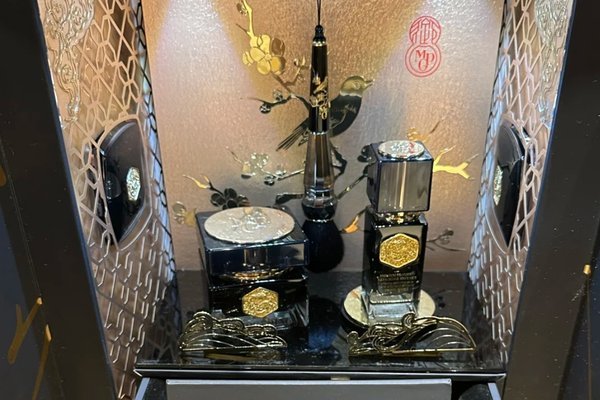
Beauty packaging has two jobs. It must make people stop and look. It must also protect the product before it reaches the shelf.
Cosmetic display boxes are not only decoration. A good display box helps beauty products stand upright, stay organized, and look more valuable in retail. But it also needs the right board, insert, and outer carton plan. For custom cosmetic display boxes, the best design balances retail presentation, shipping protection, material use, and brand feeling.
That is why I always start with the buyer’s real concern: will it look premium, feel sturdy, and avoid waste?
Are Cosmetic Display Boxes Really Necessary for Beauty Products?
Many beauty buyers ask this before they spend money on outer packaging. I think it is a fair question.
Cosmetic display boxes are useful when the product needs better shelf impact, easier retail organization, or stronger brand presentation. They are especially helpful for lipstick, lip balm, mascara, skincare tubes, fragrance samples, and gift sets. If the product already has strong primary packaging, the display box should add visibility and structure, not just more waste.
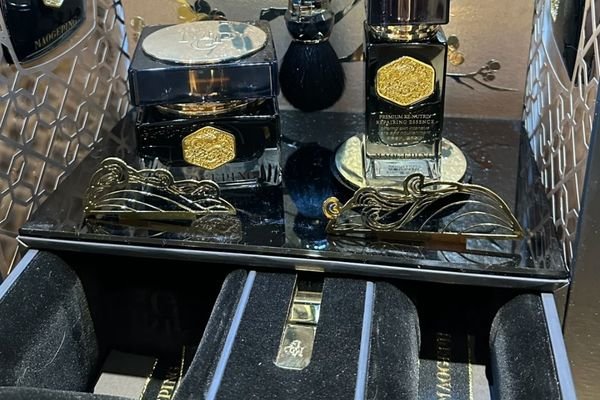
A buyer may see outer packaging as extra cost. A consumer may see it as waste. A retailer may see it as a tool for faster selling.
All three views are correct.
That is why I do not suggest making a display box only because it looks nice. I first check where the product will be sold. A checkout counter has different needs from a luxury gift shelf. A pharmacy display has different needs from a spa retail corner.
The Buyer Hesitation Is Real
Many beauty customers care about packaging. But they also dislike packaging that feels too much, too thin, or too cheap-looking.
So the question is not “Do we need more packaging?” The better question is “What job should this packaging do?”
| Buyer Concern | Bad Packaging Result | Better Factory Logic |
|---|---|---|
| “Will it look cheap?” | Thin board, weak printing, loose products | Better board, clean finish, proper insert |
| “Is it wasteful?” | Oversized box, too many layers | Tight size, paper insert, recyclable material |
| “Is it sturdy?” | Display bends or collapses | Correct board thickness and support walls |
| “Will products move?” | Scratches, broken caps, messy shelf | Divider, tray, sleeve, or paperboard insert |
| “Will it sell better?” | Product is hidden or unclear | Open front, angled display, clear branding |
For small beauty items, the outer display can help shoppers understand the product faster. Lip balms, serums, sample tubes, and mini jars are easy to miss on a busy counter.
A display box gives them a small stage.
Display Packaging Should Not Fight the Product
The best display box should support the product, not cover it. I usually avoid overbuilding when the item is low-cost or sold in high volume.
For example, a simple lip balm display may only need printed cardboard with dividers. A premium skincare set may need a rigid display tray with a sleeve. A fragrance discovery set may need a stronger insert because glass vials are fragile.
This is where custom cosmetic display boxes become useful. The box can be designed around the product size, product weight, retail position, and brand level.
I also like to separate primary packaging from display packaging. The bottle, jar, or tube is the primary pack. The display box is the retail and presentation tool.
When these two roles are clear, the buyer can avoid both weak packaging and wasteful packaging.
How Can Cosmetic Display Boxes Look Premium Without Feeling Wasteful?
Premium does not always mean heavy, shiny, or expensive. It means the packaging feels intentional.
Cosmetic display boxes can look premium without feeling wasteful by using the right size, clean printing, controlled finishes, and smart paper-based inserts. A matte surface, soft-touch lamination, foil logo, spot UV, or textured paper can lift the visual value. But the structure should stay tight, useful, and easy to recycle when possible.
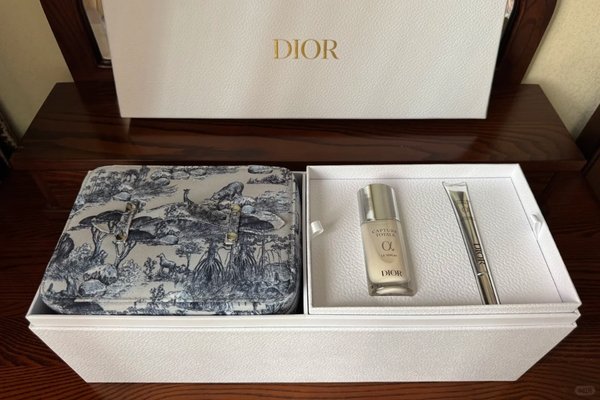
Some beauty brands worry that outer packaging may look cheap. Others worry that it may look wasteful. These two worries seem different, but they often come from the same problem.
The box was not designed with enough logic.
A box looks cheap when the material is too weak for the product. It also looks cheap when the printing does not match the brand level. On the other side, a box looks wasteful when it is too large, too layered, or full of plastic that does not help the product.
Premium Feeling Comes From Control
In factory work, I often see buyers focus only on surface finish. They ask for gold foil, embossing, UV, or special paper. These finishes can help, but they cannot fix a weak structure.
A display box must first stand correctly. The front panel should not bow. The product holes should not be too loose. The back panel should have enough height to show the logo.
After that, finishes can improve the brand feeling.
| Premium Goal | Simple Finish Option | Buyer-Friendly Note |
|---|---|---|
| Clean beauty look | Matte lamination | Soft, calm, and not too shiny |
| Luxury skincare | Soft-touch matte + foil | High-end but still simple |
| Young beauty brand | Full-color print + spot UV | Bright and eye-catching |
| Eco beauty line | Kraft or FSC paperboard | Natural and less wasteful |
| Fragrance or gift set | Textured paper + deboss | Quiet luxury feeling |
I usually suggest using one main finish and one accent finish. Too many finishes can make the box look busy.
For example, matte lamination plus a foil logo is clear. Soft-touch plus spot UV coating can make the logo visible without adding too much decoration. Textured paper with blind deboss can feel premium, but it works better when the logo is large enough.
Sustainable Does Not Mean Plain
Many beauty brands now want sustainable packaging. But some worry that eco-friendly materials may look too simple.
That is not always true.
A paper-based display can still look premium if the shape, printing, and insert are well controlled. Kraft paper can work for natural skincare, soap, balm, or clean beauty. White card can work for medical beauty, spa products, and minimalist skincare.
For a premium line, I may suggest FSC paperboard, soy-based ink where available, paperboard dividers, or molded paper trays. If the product is fragile, I will still check protection first.
Sustainability should not mean the product arrives damaged.
A broken bottle creates more waste than a stronger box. So the best solution is not always the lightest box. It is the lightest box that can still do the job.
What Structure Protects Beauty Products During Shipping and Retail Display?
Retail display and shipping protection are not the same thing. A nice display box may still need a strong outer carton.
The best structure depends on the product weight, fragility, and retail use. For light items, a folding display tray with dividers may be enough. For glass bottles, jars, or premium gift sets, a rigid tray, shoulder structure, paper insert, EVA insert, or corrugated support may be needed. Shipping protection should be tested with the master carton, not only the display box.
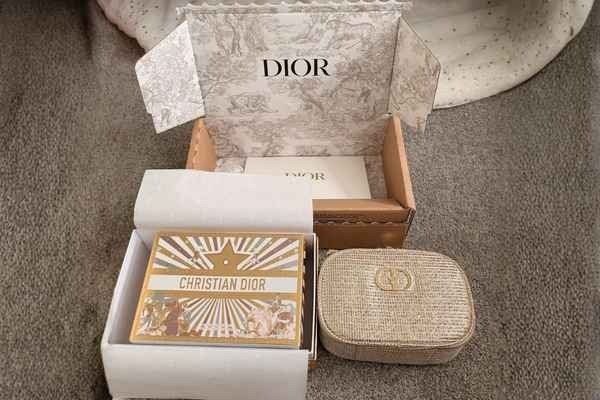
This is where many projects get confused. A display box is made for the shelf. A shipping carton is made for transit.
If we ask one box to do both jobs, we must design it more carefully.
For example, an open-front display tray looks good in retail. But the open front gives less protection during shipping. A glass serum bottle may look beautiful in that tray, but it can still move inside the carton.
So I normally check the full packaging system.
Think in Three Layers
For beauty products, I like to think in three layers.
The first layer is the product’s own bottle, tube, jar, or compact. The second layer is the display box or gift box. The third layer is the shipping carton.
Each layer should have a job.
| Layer | Main Job | Common Factory Choice |
|---|---|---|
| Product pack | Hold formula safely | Bottle, jar, tube, compact |
| Display box | Show and organize | Counter tray, rigid tray, sleeve, insert |
| Master carton | Protect in shipping | Corrugated carton, dividers, corner support |
If the display box is open, the master carton must do more work. If the display box is closed with a sleeve or lid, it can give better protection before retail setup.
For custom cosmetic display boxes, I also check how the retailer will receive the goods. Some stores want display-ready packaging. They open the outer carton and place the display directly on the counter.
In that case, the display box must arrive clean. It cannot have crushed edges or scratched surfaces.
Inserts Decide How Safe the Product Feels
Inserts are not only for luxury. They also control product movement.
For lip balm or mascara, a paperboard divider may work well. For skincare jars, a thicker tray may be better. For glass fragrance vials, the hole size and depth matter a lot.
| Product Type | Display Risk | Suggested Insert |
|---|---|---|
| Lip balm tubes | Products fall forward | Paperboard grid or stepped divider |
| Mascara | Tall items lean | Deep slots or angled holder |
| Skincare jars | Weight crushes weak tray | Reinforced paper tray |
| Glass serum bottles | Breakage or cap scratch | Tight paper insert or foam insert |
| Fragrance discovery set | Vials move easily | Precision-cut insert with top support |
I also check product weight. A display holding 24 lip balms is very different from one holding 12 glass bottles.
Even if each item is small, the total weight can bend the bottom panel. That is why the bottom structure is important.
For premium shipments, some buyers ask about an ISTA drop test. A full lab test may not be needed for every project. But the thinking is useful. We should test the real packed carton, not only the beautiful sample.
Should You Choose Folding Cardboard, Corrugated, or Rigid Display Boxes?
There is no single best material. The right choice depends on brand level, product weight, retail channel, and budget.
Folding cardboard is good for light and cost-sensitive cosmetic display boxes. Corrugated board works better for heavier counter displays and stronger shipping needs. Rigid boxes are best for premium beauty sets, launch kits, fragrance sets, and luxury retail presentation. The best choice should match both the product value and the buyer’s sales channel.
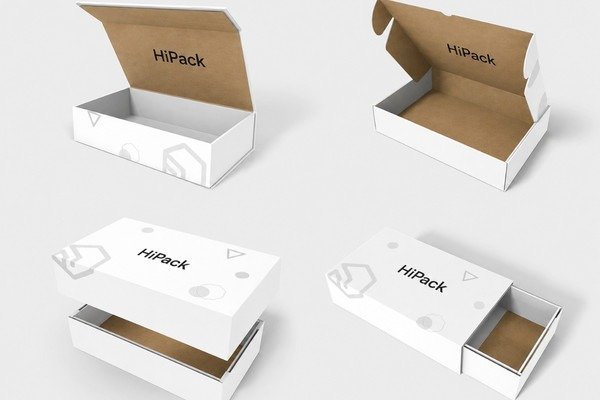
A low-cost lip balm does not need the same packaging as a luxury skincare set. A salon sample kit does not need the same structure as a duty-free display.
That is why I do not like giving one standard answer.
I prefer to look at the product category first. Then I choose the structure.
Material Choice by Product Position
Folding cardboard is usually lighter and cheaper. It is good for retail trays, small counter displays, and higher-volume beauty items. It can ship flat, which helps reduce freight cost.
Corrugated board is stronger. It is useful when the display must hold more weight. It is also helpful when the display box needs to survive handling before it reaches the store.
Rigid display boxes give the best premium feeling. They are not always the cheapest or lightest option. But they can make sense for luxury beauty, influencer kits, seasonal gift sets, and high-value product launches.
| Material | Best For | Main Advantage | Main Caution |
|---|---|---|---|
| Folding cardboard | Lip balm, mascara, small tubes | Lower cost and flat shipping | Less premium for luxury lines |
| Corrugated board | Heavier counter displays | Stronger support | Edge finish may look less refined |
| Rigid board | Gift sets, skincare, fragrance | Premium look and strong feel | Higher cost and larger shipping volume |
| Paperboard insert | Light to medium items | Recyclable and clean | Needs exact sizing |
| EVA or foam insert | Fragile or heavy items | Good cushioning | Less eco-friendly and higher cost |
For HiPackMFG projects, I often suggest rigid only when it really helps the buyer. A rigid display box should not be used just because it sounds premium.
If the retail display will be thrown away after a short campaign, folding cardboard may be smarter. If the box is part of the unboxing experience, rigid can be worth it.
Retail Presentation vs Shipping Protection
Retail presentation needs clean surfaces, clear branding, and easy product access. Shipping protection needs compression strength, shock control, and carton planning.
These are different design goals.
A retail box may need a low front panel so shoppers can see the product. A shipping-safe box may need a closed sleeve to protect the same product. A factory can combine both by using a removable cover, a sleeve, or a display-ready outer carton.
This is common for beauty launches.
The product can travel inside a closed box. Then the store removes the sleeve and uses the inner tray as a display. This reduces damage while keeping the retail look.
I also suggest checking cosmetic labeling rules early. Some buyers need ingredient, batch, barcode, or warning information on the product pack or outer pack. The display box should not hide important information.
How Should a Buyer Brief a Factory for Custom Cosmetic Display Boxes?
A good brief saves time, cost, and sample revisions. It also helps the factory suggest the correct structure faster.
To start custom cosmetic display boxes, send product dimensions, product weight, retail channel, quantity, reference photos, brand artwork, shipping country, and target budget. The factory can then suggest board thickness, display style, insert type, finish, and carton packing. This is better than asking for a price with only one reference image.
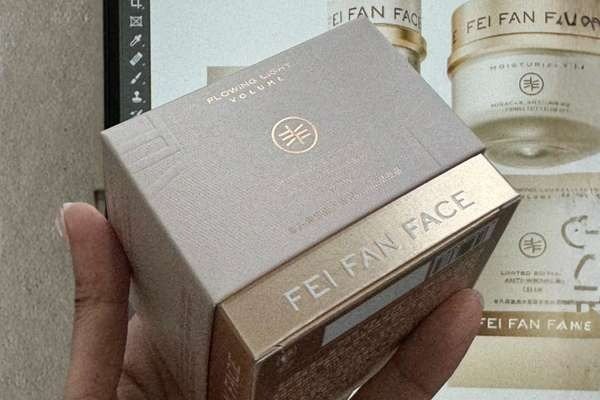
I always tell buyers that a reference photo is helpful, but it is not enough.
Two display boxes can look similar but use very different structures. One may be for empty sample display only. Another may be strong enough for real products. One may be shipped flat. Another may be shipped assembled.
The factory needs details before giving a useful answer.
What I Need Before Making a Suggestion
A strong packaging suggestion starts with the product, not the box.
For beauty products, I need the exact size of the bottle, jar, tube, compact, or pouch. I also need the filled weight. A glass jar with cream is much heavier than an empty sample bottle.
| Information Needed | Why It Matters |
|---|---|
| Product size | Controls box and insert dimensions |
| Product weight | Decides board thickness and bottom support |
| Product material | Glass needs more protection than plastic |
| Quantity per display | Affects total load and display shape |
| Retail channel | Counter, shelf, spa, salon, or gift use |
| Shipping country | Affects carton strength and freight plan |
| Brand level | Helps choose finish and material |
| Target budget | Keeps the structure realistic |
If the buyer has many SKUs, I may suggest one shared display size with adjustable inserts. This helps reduce tooling and printing changes.
For example, one display tray can hold similar lip balm tubes, but each SKU can use a different printed sleeve or sticker. This keeps the brand flexible without making too many box structures too early.
A Simple Factory-Side Recommendation Logic
Here is how I usually think.
If the product is light and sold in large volume, I start with folding cardboard. If the product is heavier, I check corrugated or reinforced paperboard. If the product is premium and giftable, I check rigid board.
Then I look at the insert.
A loose insert makes the product feel cheap. A tight insert makes the product feel more valuable. But if it is too tight, store staff may find it hard to refill.
So the insert needs a balance.
| Product Category | Recommended Direction |
|---|---|
| Lip balm or lip gloss | Folding display tray with printed dividers |
| Mascara or eyeliner | Tall back panel with deep slots |
| Skincare jars | Reinforced tray or rigid base |
| Serum bottles | Tight insert with carton protection |
| Fragrance sample set | Rigid tray or sleeve box with precision insert |
| Beauty launch kit | Rigid display box with premium finish |
My final suggestion is simple. Do not ask only, “How much is this box?”
Ask, “What structure makes sense for my product category?”
That question gives the factory room to protect your budget, your product, and your brand image.
Conclusion
Cosmetic display boxes should look good, feel sturdy, and protect the product. The best choice is not always the most expensive one. Send your product category, size, weight, quantity, and retail use, and I can suggest an industry-specific rigid box structure for your beauty line.