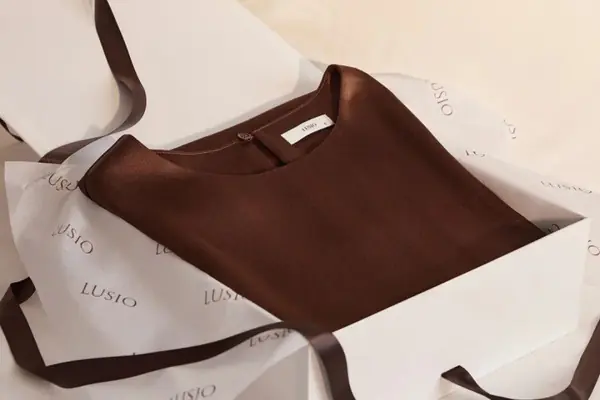
Many clothing brands ask me for a “gift box” or “custom box.”
But the real question is not only the look. It is the box structure.
Custom apparel packaging should protect clothing, match the brand position, and create a better unboxing experience. For fashion brands, the best box choice depends on the product type, sales channel, order quantity, shipping method, and target price. Magnetic rigid boxes feel premium. Foldable rigid boxes save freight. Corrugated mailer boxes work well for e-commerce. Lid-and-base boxes are simple and elegant.
Before choosing colors or finishes, I usually help buyers choose the right structure first.
What Box Structure Should a Clothing Brand Choose First?
Not every clothing box should be a magnetic box.
The right structure depends on how the box will be used.
For custom apparel packaging, start with the product and sales channel. Use a magnetic rigid box for premium gift sets, a lid-and-base box for simple luxury, a foldable rigid box for lower shipping volume, and a corrugated mailer for e-commerce delivery. This structure-first approach helps clothing brands avoid overpaying for the wrong box.
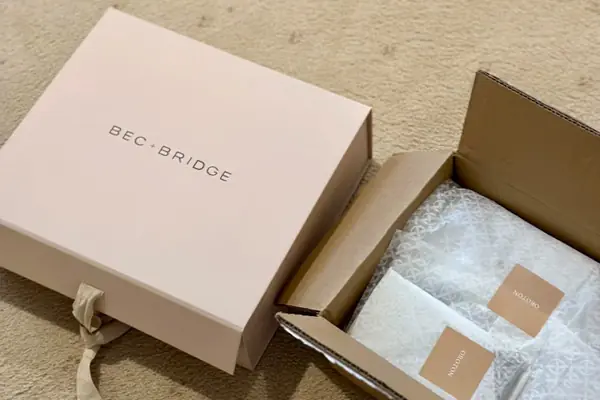
Many buyers say they need custom clothing boxes.
But “box” can mean many different things in factory production.
A magnetic rigid box, a lid-and-base box, a foldable box, and a corrugated mailer box are not the same.
They use different boards, different assembly methods, and different cost logic.
Common apparel box structures
| Box Structure | Best For | Main Benefit | Possible Concern |
|---|---|---|---|
| Magnetic rigid box | Luxury clothing, PR kits, gift sets | Premium opening feel | Higher unit cost |
| Lid-and-base box | Shirts, scarves, accessories | Clean and classic look | Takes more shipping space |
| Foldable rigid box | Larger apparel boxes | Saves freight volume | More hand assembly |
| Corrugated mailer box | E-commerce clothing orders | Strong for shipping | Less luxury than rigid boxes |
| Drawer box | Socks, belts, small garments | Nice reveal effect | Not ideal for bulky clothing |
When I look at packaging for clothing brand projects, I first ask how the box will reach the customer.
Retail display, gift delivery, and e-commerce shipping need different structures.
For example, a luxury hoodie brand may want a black magnetic box with tissue paper.
It looks strong and premium in photos.
But if the box ships alone through courier service, it may still need an outer carton.
For online clothing brands, custom shipping boxes for clothing may be more practical.
A corrugated mailer can protect the garment and show the logo at the same time.
It also folds flat before packing, which helps storage.
For fashion packaging used in stores, the box does not always need shipping strength.
It may need better touch, clean printing, and a strong brand color.
In that case, a rigid gift box or paper shopping bag set may work better.
Factory-side thinking
From the factory side, structure affects almost everything.
It affects board thickness, printing layout, dieline, assembly time, carton size, and freight cost.
That is why I do not suggest choosing by photo only.
A beautiful reference photo may hide a very expensive structure.
A buyer may see one custom packaging box clothing idea online.
But the factory must check whether it fits the product size, weight, and quantity.
The safest way is simple.
Send the folded garment size, product weight, order quantity, and delivery country first.
Then engineering can suggest a box structure before making the artwork.
When Should Fashion Brands Use Magnetic Rigid Boxes?
Magnetic boxes are popular because they feel like a gift.
But they should be used where the premium feeling can support the cost.
A magnetic rigid box is a good choice for premium apparel packaging when the clothing has a high retail value, gift purpose, or strong brand story. It works well for cashmere, scarves, limited-edition hoodies, influencer kits, and luxury fashion sets. For low-margin daily clothing, a mailer box or folding carton may be more practical.
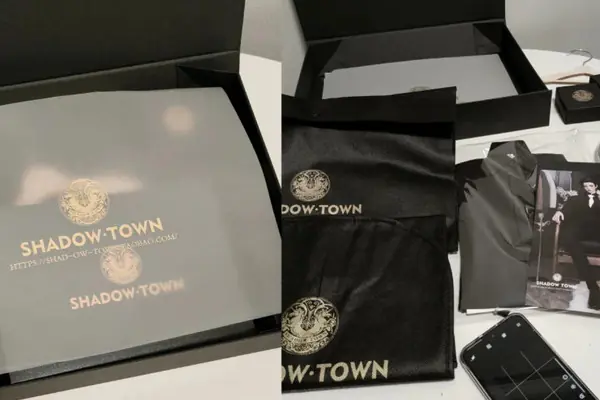
Magnetic rigid boxes are often used for luxury fashion packaging.
They give the buyer a slow and clean opening moment.
For clothing brands, this can be useful.
A garment is soft, so the packaging often creates the first “premium” feeling.
The box makes the product feel more complete.
Best products for magnetic rigid boxes
| Product Type | Why Magnetic Box Works |
|---|---|
| Cashmere sweater | Supports a premium price point |
| Silk scarf | Creates a gift-ready presentation |
| Designer hoodie | Makes streetwear feel collectible |
| PR clothing kit | Looks strong in photos and videos |
| Limited-edition apparel | Adds value to the launch |
For premium custom garment boxes, I often suggest 2.0 mm or 3.0 mm greyboard.
The right thickness depends on box size and product weight.
Small scarf boxes can use thinner board.
Large hoodie boxes need stronger board to avoid a weak lid or soft corner.
The outside paper also matters.
A soft-touch matte finish can make the box feel smooth.
A textured paper can give a more natural fashion feeling.
Foil stamping, embossing, debossing, or spot UV can highlight the logo.
I like to keep the design simple for apparel boxes.
Clothing already has texture, color, and fabric detail.
If the box has too many finishes, it can look noisy.
Cost and shipping reality
Magnetic rigid boxes are beautiful, but they are not always light.
They also take more space if they are non-foldable.
This matters a lot for large clothing boxes.
A hoodie box or sweater box may have a big footprint.
If it is shipped as a finished rigid box, the carton volume can increase quickly.
For this reason, many brands choose foldable magnetic rigid boxes.
They keep a premium look but reduce shipping volume.
There is still a trade-off.
Foldable rigid boxes need more handwork during packing.
The customer also needs to assemble or shape the box before use.
For a high-end launch, that trade-off is often acceptable.
For a very low-cost clothing campaign, it may not be the best choice.
Buyer hesitation I often hear
Many buyers worry that a magnetic box is “too expensive.”
That is a fair concern.
I usually compare the box cost with the retail price and the customer experience.
If the garment is a gift item, the box may help the buyer feel the price is reasonable.
If the garment is a basic T-shirt, the same box may be over-packaging.
In that case, custom packaging for clothing can be simpler.
A printed mailer, tissue paper, sticker, and hang tag may be enough.
Are Foldable Boxes Better for Clothing Shipping?
Foldable boxes are useful when the box is large.
They help reduce volume before final packing.
Foldable rigid boxes are often better for clothing brands that need a premium look and lower freight volume. They are suitable for sweaters, hoodies, robes, and gift sets. Compared with non-foldable rigid boxes, foldable structures can reduce storage pressure and shipping volume. But they need careful corner design and clear assembly control.
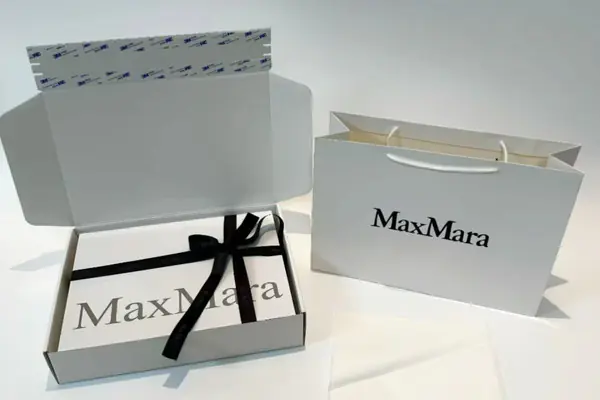
Foldable boxes solve a common apparel packaging problem.
Clothing is often soft, but the box can be large.
A non-foldable rigid box ships with empty space inside.
This empty space becomes freight cost.
For international shipping, that can be painful.
Foldable rigid boxes ship flat or semi-flat.
They are opened and assembled before use.
This can be a smart option for fashion brands with larger boxes.
When foldable boxes make sense
| Situation | Foldable Box Advantage |
|---|---|
| Large sweater box | Reduces shipping volume |
| Hoodie gift box | Keeps premium look |
| Seasonal fashion gift set | Easier warehouse storage |
| International shipment | Helps control freight cost |
| Medium quantity order | Better balance of look and logistics |
A foldable rigid box can still look premium.
It can use printed paper, specialty paper, magnetic closure, ribbon pull, or foil logo.
The key is engineering.
The folding lines, magnetic positions, and corner strength must be tested.
If the structure is weak, the box may look uneven after assembly.
For custom shipping boxes for clothing, corrugated mailers are still stronger for direct courier shipping.
But foldable rigid boxes are better when the brand wants a gift-box feeling.
Many fashion brands use a two-layer packaging logic.
The rigid box is for presentation.
The outer carton is for transportation.
Foldable rigid box vs corrugated mailer
| Option | Look | Shipping Strength | Premium Feeling | Best Use |
|---|---|---|---|---|
| Foldable rigid box | High-end | Needs outer carton | Strong | Gift sets and premium apparel |
| Corrugated mailer | Clean and practical | Stronger | Medium | E-commerce clothing delivery |
| Poly mailer | Basic | Flexible | Low | Low-cost soft goods |
| Paper bag | Retail friendly | Weak for shipping | Medium | Store pickup and gifting |
A corrugated mailer is usually more practical for online orders.
It can be printed outside and sometimes inside.
It protects folded clothing during shipping.
But a mailer does not always create a luxury feeling.
It feels more like delivery packaging than gift packaging.
A foldable rigid box can improve the unboxing experience.
It helps the customer feel they received something special.
For high-value fashion packaging, this feeling can be important.
A buyer may keep the box for storage.
That gives the brand more time in the customer’s home.
My factory-side suggestion
I usually ask buyers not to decide only by unit price.
Freight, storage, assembly, and damage risk also matter.
A cheaper non-foldable box may become expensive after shipping.
A more expensive foldable box may save money in total logistics.
That is why dimensions are important.
Even a small change in height can affect carton quantity and dimensional weight.
Before sampling, send the garment folded size and target packing method.
Then the factory can check whether foldable, non-foldable, or mailer structure is smarter.
What Materials and Finishes Make Apparel Packaging Feel Premium?
Premium does not always mean complicated.
It means the material, color, and finish feel consistent with the clothing.
Premium apparel packaging usually uses strong paperboard, clean printing, and controlled finishes. Soft-touch matte lamination, textured paper, foil stamping, embossing, debossing, and spot UV can all improve brand value. For clothing, the best result often comes from simple design, accurate brand color, and a structure that protects the folded garment well.
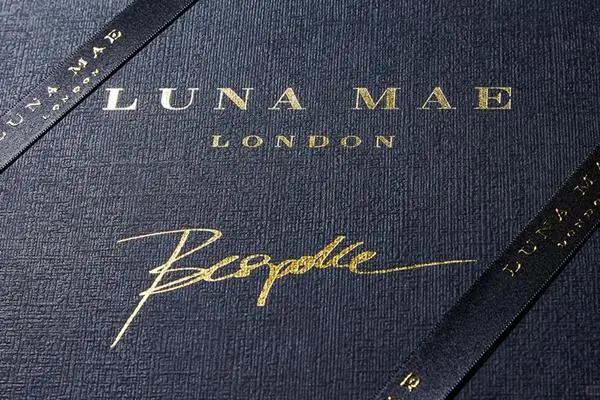
For custom apparel packaging, material choice should match the product.
A streetwear hoodie, silk scarf, and bridal robe should not use the same style.
A premium black box may work for luxury streetwear.
A warm white textured paper may work better for bridal or resort clothing.
A kraft mailer may fit sustainable basics.
Common material and finish options
| Option | Best Feeling | Good For |
|---|---|---|
| Soft-touch matte lamination | Smooth and modern | Luxury clothing boxes |
| Textured specialty paper | Natural and tactile | Scarves, linen, bridalwear |
| Anti-scratch matte lamination | Durable and clean | Dark color boxes |
| Foil stamping | Bright logo detail | Premium brand marks |
| Blind debossing | Quiet luxury | Minimal fashion brands |
| Spot UV | Gloss contrast | Black or dark packaging |
| Tissue paper | Soft presentation | Almost all apparel |
For dark fashion packaging, I often suggest anti-scratch matte lamination.
Black boxes show fingerprints and scratches more easily.
A normal matte finish may look good in photos but become messy in handling.
For logo effects, the artwork matters.
Thin lines may not work well with deep embossing.
Very small text may not be clear with foil.
In those cases, spot UV or clean printing may be better.
The goal is not to use the most expensive process.
The goal is to make the brand look controlled.
Color and brand consistency
Brand color is very important in packaging for clothing brand projects.
If the color is large and important, Pantone color matching is safer than only CMYK printing.
This helps readers understand why brand colors may look different on paper, fabric, and screen.
It also helps buyers plan repeat orders with better color control.
For many fashion brands, the box is part of the brand system.
It should work with hang tags, tissue paper, stickers, paper bags, and thank-you cards.
The box does not need to carry every message.
Sometimes a simple logo outside and printed tissue inside feels more elegant.
A clean box can also make product photos easier.
This matters for social media, influencer seeding, and online stores.
Sustainability and buyer trust
Many clothing buyers ask about eco-friendly packaging.
For paper-based boxes, FSC paper certification, recyclable paperboard, and plastic-free inserts can help.
This gives buyers a clearer reason to ask for certified paper when needed.
It also helps avoid weak eco claims that may hurt brand trust.
Another useful keyword is recyclable paper packaging.
This supports claims about paperboard, corrugated boxes, and paper bags.
From the factory side, I prefer honest eco claims.
Not every material is fully sustainable.
Not every insert is easy to recycle.
For example, EVA foam can look premium but is not always the best eco choice.
Paperboard inserts, wrapped greyboard, or molded pulp may be better in some cases.
For clothing, inserts are not always needed.
A neat folding method, tissue paper, and paper belt can hold the garment well.
What buyers should send before quoting
To start a factory-side feasibility check, send your product dimensions, product weight, target quantity, reference packaging photo, logo artwork if available, and delivery country.
With this information, a rigid box maker can suggest the right structure, board thickness, insert type, finishing method, and rough price range before making a sample.
This is especially important for custom garment boxes.
Clothing looks simple, but folded size can change a lot.
A thick hoodie needs more height than a T-shirt.
A scarf may need a shallow box with a more delicate opening.
A robe may need stronger corners and a larger base.
The more accurate the starting information is, the fewer changes happen later.
That saves time, sample cost, and communication back and forth.
Conclusion
Custom apparel packaging works best when structure comes before decoration.
Send your folded garment size, product weight, quantity, reference photo, logo file, and delivery country.
Then engineering can suggest the right box structure, material, and finish for your fashion brand.