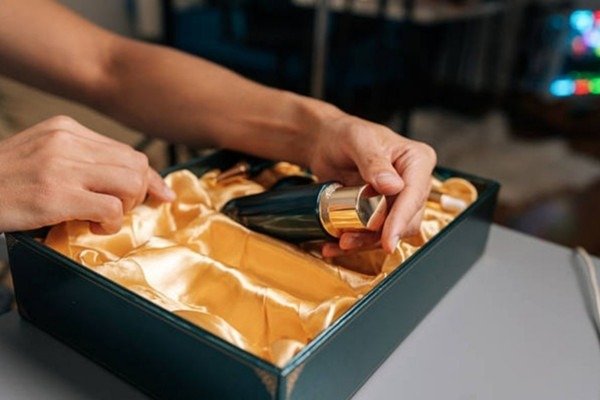
Before ordering custom cosmetic boxes, many beauty brands feel unsure about suppliers, samples, price, lead time, and communication. I understand this feeling very well because packaging is not only a box. It protects your product, shows your brand, and affects the customer’s first impression.
To order custom cosmetic boxes smoothly, a beauty brand should prepare product size, target quantity, reference photos, box style, material preference, artwork files, and launch timeline. These details help a factory check feasibility, suggest the right structure, avoid wrong pricing, and prepare a realistic sample plan. Good preparation also helps you compare custom cosmetic packaging manufacturers more fairly, instead of only comparing the lowest unit price.
In this guide, I will explain what we usually check from the factory side before quoting custom beauty packaging.
What Product Details Should You Prepare Before Asking for Custom Cosmetic Boxes?
Many buyers only send a logo and ask for a price. But for a factory, the product itself decides the box structure, material, insert, and cost.
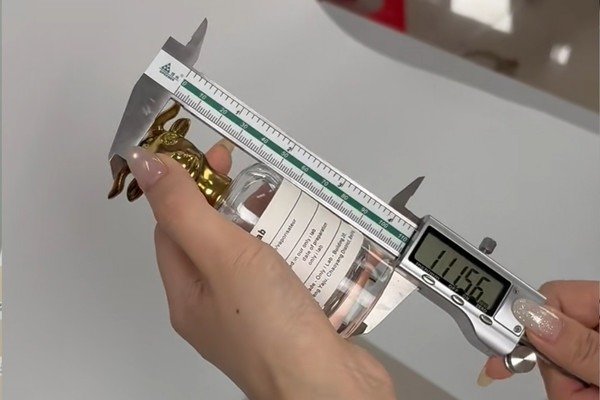
Before asking for custom cosmetic boxes, prepare the product length, width, height, weight, bottle shape, cap size, and how the product will sit inside the box. If you sell skincare bottles, perfume, lipstick, powder, or makeup sets, these details help the factory suggest the right box style, inner support, and paper thickness. Without product details, the quotation is only a rough guess.
Why Size Is More Than Length × Width × Height
For custom beauty boxes, size is not only about the outside box dimension. The factory also needs to know the inner space, product movement, and how the customer opens the package.
Like a skincare bottle may be 120 mm tall, but the cap may be wider than the bottle body. A perfume bottle may look small, but the glass weight may require a stronger insert. A lipstick box may need a tight paperboard structure, while a serum set may need several cavities inside one box.
This is why I always suggest buyers send:
| Detail | Why It Matters |
|---|---|
| Product size | Helps calculate inner box space |
| Product weight | Helps choose paper thickness and insert strength |
| Bottle shape | Affects whether the insert should be flat, molded, or folded |
| Cap size | Prevents the box from being too tight |
| Product photo | Helps factory understand the real shape |
| Quantity | Affects printing, tooling, and unit price |
Why Photos Help More Than Long Descriptions
A simple reference photo can save many messages. If you like a luxury skincare box, a drawer box, a folding carton, or a rigid gift box, send the photo first. Then we can tell you which parts are easy to produce and which parts may increase cost.
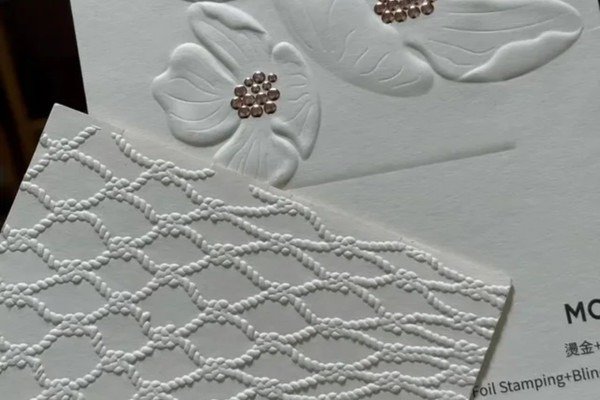
For example, a photo may show foil stamping, embossing, soft-touch matte lamination, or spot UV. These finishes look simple from the outside, but each one has a different production process.
If the product has special claims, ingredients, or safety text, you may also need to check cosmetic product labeling rules before final printing. The factory can check print layout and spacing, but brand owners should confirm legal text for their market.
Factory-Side Thinking
From my side, I do not want to give a fast but careless price. A better quotation should answer these questions:
- Can this structure hold the product safely?
- Is the box easy to assemble in mass production?
- Will the finish match the brand image?
- Is the design suitable for the target quantity?
- Is the sample cost reasonable before bulk order?
This is also why the cheapest quote is not always the safest choice. Cheap cosmetic boxes can work for simple retail cartons, but if the product is heavy, fragile, or premium, the wrong structure may create higher hidden costs later.
Which Box Style Works Best for Beauty and Makeup Products?
The right box style depends on product value, sales channel, shipping method, and customer experience. Not every beauty product needs a rigid box.
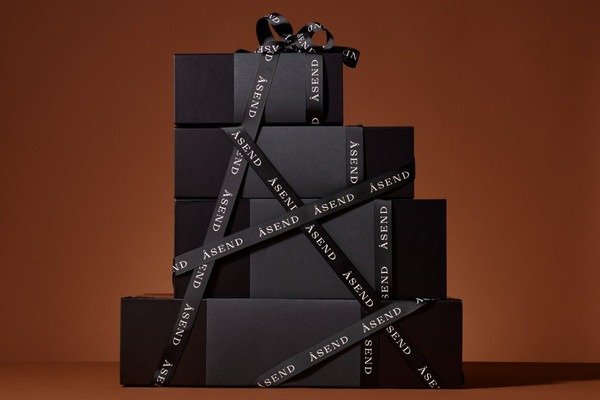
Common custom makeup boxes include folding cartons, drawer boxes, magnetic rigid boxes, lid-and-base boxes, and mailer boxes. Folding cartons are good for retail shelves and lower unit cost. Rigid boxes are better for gift sets, premium skincare, perfume, and influencer PR kits. Drawer and magnetic boxes create a stronger unboxing feeling but usually need higher MOQ and more handwork.
Common Cosmetic Box Styles
Beauty brands often ask for custom cosmetic packaging, but they may not know the structure name. Here is a simple guide.
| Box Style | Best For | Cost Level | Factory Note |
|---|---|---|---|
| Folding carton | Lipstick, cream, serum, small retail items | Low | Good for custom cosmetic boxes wholesale |
| Drawer box | Perfume, skincare sets, gift sets | Medium | Nice opening experience |
| Lid-and-base rigid box | Premium cosmetics, gift boxes | Medium to high | Strong and clean luxury look |
| Magnetic rigid box | PR kits, influencer boxes, high-end sets | High | Great unboxing, more handwork |
| Mailer box | E-commerce beauty orders | Medium | Better for shipping and subscription boxes |
Folding Carton vs. Rigid Box
A folding carton is made from paperboard, such as white card or kraft card. It is light, flat before assembly, and good for larger quantities. If you need custom cosmetic boxes wholesale for lip balm, mascara, soap, or small skincare products, folding cartons are usually more cost-friendly.
A rigid box is made with greyboard wrapped by printed paper or specialty paper. It feels stronger and more premium. It is better for custom beauty packaging when the product price is higher or when you need a gift feeling.
When I Recommend a Simple Structure
If your product is still in the early launch stage, I may suggest a simple structure first. For example, a folding carton with matte lamination and foil logo can already look clean and professional.
If the brand needs a stronger premium image, we can upgrade to a rigid box, add an insert, or use a soft-touch surface.
The goal is not to make the most expensive box. The goal is to make the box match your product, your budget, and your selling channel.
Buyer Mistake to Avoid
Many new brands choose a box style only by looking at beautiful photos. But they forget the product weight, assembly difficulty, shipping volume, and MOQ.
For example, a magnetic rigid box may look perfect, but if the order is only 100 pieces, the unit cost can be very high. A folding carton may look simple, but with good artwork, foil stamping, and correct paper thickness, it can still feel very professional.
That is why I always prefer to check the product first, then suggest the structure.
What Materials and Finishes Should Beauty Brands Consider?
Material and finish decide how the box feels in the customer’s hand. They also affect scratch resistance, color result, and production cost.
For custom cosmetic packaging, common materials include white card, kraft card, corrugated paper, greyboard, specialty paper, and coated art paper. Popular finishes include matte lamination, gloss lamination, soft-touch lamination, foil stamping, embossing, debossing, and spot UV. The right choice depends on product value, brand style, quantity, and whether the box is for retail, gift, or shipping.
Simple Material Guide
For custom beauty boxes, the material should match the function first.
| Material | Good For | Main Benefit |
|---|---|---|
| White card paper | Retail cosmetic cartons | Clean printing and lower cost |
| Kraft paper | Organic skincare or natural brands | Eco-friendly look |
| Corrugated paper | Shipping or e-commerce boxes | Better protection |
| Greyboard + wrapped paper | Rigid cosmetic boxes | Premium and strong |
| Specialty paper | Luxury beauty packaging | Special texture and brand feeling |
If the box is for direct product display on shelves, the surface must look clean and print well. If the box is for shipping, protection becomes more important. If the box is for a gift set, touch and opening experience become more important.
Finish Options That Beauty Brands Often Like
Finishes can make custom makeup boxes look more premium, but they should be used carefully.
| Finish | Visual Effect | Good Use |
|---|---|---|
| Matte lamination | Soft, clean, elegant | Skincare, luxury beauty |
| Gloss lamination | Bright and shiny | Colorful makeup products |
| Soft-touch lamination | Smooth, premium hand feel | High-end skincare or perfume |
| Foil stamping | Metallic logo or text | Luxury brand logo |
| Embossing | Raised logo effect | Simple logos |
| Debossing | Pressed-in logo effect | Minimal premium designs |
| Spot UV | Shiny details on matte base | Logo, pattern, product name |
For example, foil stamping is very popular for luxury cosmetic boxes because it gives a metallic shine. spot UV coating can make a logo or pattern stand out without changing the whole box surface.
Why Finish Should Match Artwork
A finish is not magic. It needs the right artwork.
Thin lines may not work well with heavy embossing. Very small text may not be suitable for foil stamping. A large dark matte surface may need anti-scratch lamination, especially for black or deep color boxes.
For custom cosmetic packaging manufacturers, one important job is to check whether the design can be produced in a stable way. If the design looks good on screen but is risky in production, a responsible factory should tell you early.
Eco and Brand Positioning
Some beauty brands want a natural look. In this case, kraft paper, FSC paper, soy-based ink, or plastic-free inserts may be better. If your brand sells organic skincare, a simple kraft carton may feel more honest than a heavy glossy rigid box.
But eco packaging also needs correct planning. Some coatings, laminations, and plastic windows may reduce recyclability. If sustainability is important, it is worth learning more about FSC paper packaging and discussing options before final design.
Why Should You Ask for a Sample or Proof Before Mass Production?
A sample or proof helps reduce risk. It lets you check size, color, material, finish, and structure before making the full order.
Beauty brands should ask for a digital proof, white sample, or printed sample before mass production. A digital proof checks artwork position. A white sample checks box size and structure. A printed sample checks color, material, logo finish, and hand feel. For first orders, proof and sample review are important because they make supplier communication more transparent and reduce production mistakes.
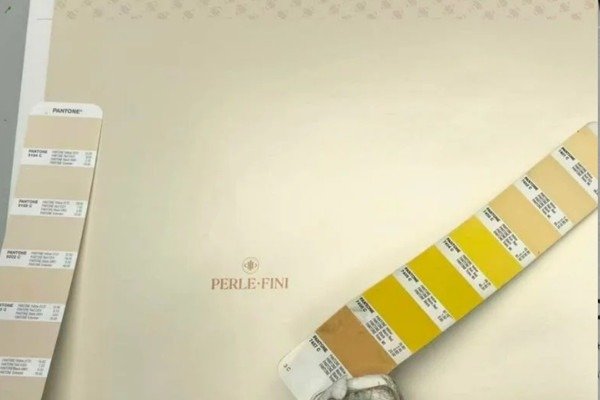
Three Types of Checks
When buyers ask whether a supplier or vendor is reliable, I usually think about one thing first: does the supplier make the process clear?
A clear process should include proof or sample review before bulk production.
| Review Type | What It Checks | When to Use |
|---|---|---|
| Digital proof | Artwork layout, logo position, text direction | Before printing |
| White sample | Size, structure, insert fit | Before final artwork or before mold |
| Printed sample | Color, finish, material, full look | Before mass production |
Why Digital Proof Is Not Enough
A digital proof is useful, but it cannot show real paper texture, real foil shine, or real color under light. It also cannot show whether a bottle fits perfectly inside the insert.
For simple folding cartons, a digital proof may be enough if the buyer already understands the material. But for premium custom beauty packaging, especially rigid boxes, a physical sample is much safer.
Why Printed Sample Can Save Money
Some buyers worry that sample cost is extra cost. I understand this. But a sample can prevent a bigger loss.
For example:
- The box may be too tight for the product.
- The color may look different from the screen.
- The logo may be too small for foil stamping.
- The insert may not hold the bottle well.
- The lid may be too loose or too tight.
If these problems are found after mass production, the cost is much higher than making one sample first.
What I Suggest Buyers Check on the Sample
When you receive a sample, do not only look at whether it is “beautiful.” Check it like a real customer.
| Check Point | Question to Ask |
|---|---|
| Product fit | Does the product move inside? |
| Opening feeling | Is it easy and pleasant to open? |
| Surface | Does it scratch easily? |
| Logo | Is the logo clear and centered? |
| Color | Does it match your brand tone? |
| Text | Is all text readable? |
| Shelf look | Does it look good beside competitors? |
For fragile bottles or e-commerce shipping, you may also consider ISTA package testing or at least a basic drop test before large shipment.
How Can Brands Compare Suppliers Without Only Looking for Cheap Cosmetic Boxes?
Price matters, but a low price without clear material, structure, proof, and lead time can become risky. A professional quotation should be easy to understand.
To compare custom cosmetic packaging manufacturers, buyers should check material thickness, box structure, printing method, finish, insert type, MOQ, sample process, production lead time, shipping terms, and communication speed. Cheap cosmetic boxes may be suitable for simple retail use, but for premium beauty products, the lowest price can hide weak material, poor fit, unstable color, or unclear after-sales support.

What a Clear Quotation Should Include
When you compare suppliers, do not only compare the final number. Ask what is included in that number.
| Quotation Item | Why It Matters |
|---|---|
| Box size | Small size changes affect paper and cost |
| Material | Different paper thickness changes strength |
| Printing | CMYK, Pantone, or special ink affect price |
| Finish | Foil, UV, embossing, lamination add cost |
| Insert | Paper, EVA, foam, or molded pulp vary a lot |
| MOQ | Lower quantity usually means higher unit price |
| Sample fee | Shows what sample type is included |
| Lead time | Helps protect launch plan |
| Shipping term | FOB, CIF, DDP, or courier affect total cost |
Why “Cheap” Needs Context
Cheap cosmetic boxes are not always bad. If you need simple folding cartons for small skincare tubes, a cost-effective paperboard box can be the right choice.
But if you are selling a high-end serum, perfume, or gift set, the packaging should not feel weaker than the product. A thin box, loose insert, or poor logo finish may hurt the brand image.
So the better question is not “Who is cheapest?” The better question is:
“What is the best structure and finish for my product, quantity, and budget?”
How to Judge Communication
Many first-time buyers feel nervous because they do not know if a vendor is reliable. From my experience, good communication should be practical and clear.
A reliable factory should be able to explain:
- What information is still missing
- What structure is suitable
- What finish may be risky
- What sample can be made first
- What timeline is realistic
- What cost is included or not included
If a supplier only says “yes, we can do it” to everything, be careful. Packaging has real production limits. A factory that gives honest advice may be more valuable than a factory that only gives a low price.
Factory-Side Feasibility Check
Before we quote custom cosmetic boxes wholesale, I prefer to check feasibility first. This includes product size, target quantity, reference photo, artwork status, and delivery country.
With these details, we can suggest whether you should use:
- Folding carton for lower cost
- Rigid box for premium look
- Drawer box for better opening experience
- Paper insert for eco direction
- EVA or foam insert for stronger protection
- Matte, foil, UV, or embossing for brand effect
This makes the project clearer from the beginning and helps avoid misunderstandings later.
Conclusion
Custom cosmetic boxes should start with product size, target quantity, and reference photos. Send us these details, and I can help check the structure, material, finish, insert, MOQ, and production feasibility from the factory side before you order.