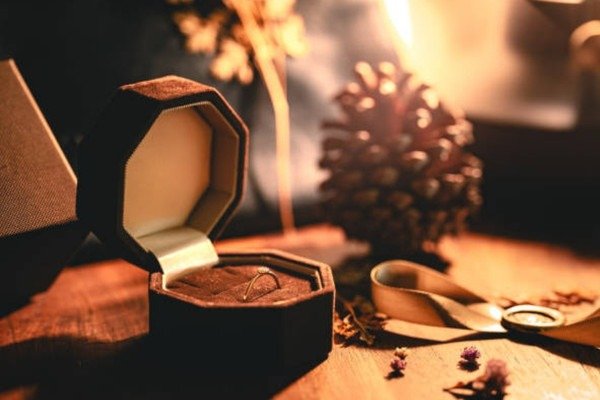
Custom luxury jewelry boxes are not only boxes. They protect the jewelry, show the brand value, and make the customer feel the product is worth more.
Custom luxury jewelry boxes should be designed around jewelry size, brand level, insert function, and finish effect. For high end jewelry packaging, the best result usually comes from a rigid box structure, refined surface paper, velvet or flocked inserts, and a clear logo finish. A good factory should also explain sample options, artwork proof, production time, and material limits before mass production.
Many buyers feel unsure when choosing a new supplier. I understand this well. So I will explain the choices from the factory side.
What Makes a Jewelry Box Feel Truly Luxury?
A luxury jewelry box should feel solid, clean, and matched to the product. The outside creates the first impression. The inside protects the jewelry and controls the unboxing moment.
A jewelry box feels luxury when the structure is firm, the surface touch is refined, and the insert holds the jewelry neatly. For a box for jewelry luxury brand, buyers should check board thickness, wrapping paper, edge finishing, insert material, logo position, and opening feel. These details decide whether the packaging looks premium or only decorative.
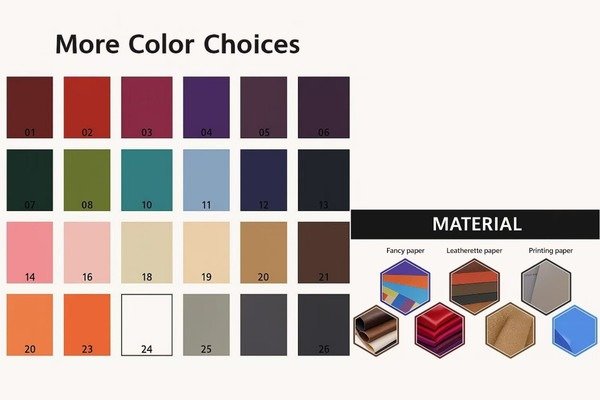
Luxury is usually not from one expensive material. It comes from how all parts work together.
Structure First
For most luxury jewelry packaging, I normally suggest rigid paperboard boxes. They give a stable shape and a premium hand feel. The structure can be lid-and-base, drawer style, magnetic clamshell, shoulder box, or special hinged style.
A ring box needs a tight and clean insert. A necklace box needs space for the chain, pendant, and sometimes a card or certificate. Custom necklace packaging must also stop the chain from moving during shipping.
A bracelet box may need a pillow, a raised pad, or a flat insert with elastic. The right choice depends on whether the bracelet is soft, hard, wide, or delicate.
| Jewelry Type | Common Box Structure | Insert Focus | Buyer Risk |
|---|---|---|---|
| Ring | Small rigid box or shoulder box | Ring slot angle | Ring may look tilted |
| Necklace | Flat rigid box or book-style box | Chain fixing and pendant position | Chain may tangle |
| Bracelet | Long rigid box or drawer box | Pillow or curved support | Bracelet may move |
| Jewelry Set | Larger rigid box | Multi-area layout | Items may feel crowded |
Touch and Weight Matter
When a customer holds the box, they notice the weight first. A very light box can feel cheap. A very heavy box can increase shipping cost. So the factory must balance brand feeling and logistics cost.
For high end jewelry packaging, I often use 2.0 mm greyboard or thicker board. For small boxes, the board must still fold and wrap cleanly. If the board is too thick, small corners may look bulky.
The surface material also changes the feeling. Soft-touch paper feels modern. Textured paper feels classic. Faux leather feels more boutique. Specialty paper can look elegant, but color control must be checked before production.
Clean Edges Are Important
A luxury box should not have messy corners, glue marks, or uneven wrapping. These issues are small, but customers notice them fast.
This is why I always suggest checking a physical sample before mass production. Photos are useful, but they cannot fully show touch, weight, or opening resistance.
For first-time buyers, the safest process is simple. Send product size, target quantity, and a reference photo. Then ask the factory to check structure, material, insert, and finish feasibility before pricing.
Which Materials Work Best for High End Jewelry Packaging?
Material choice should match the brand style, target price, and product weight. The best material is not always the most expensive one. It is the one that supports the design and the production process.
The best materials for high end jewelry packaging include rigid greyboard, specialty paper, soft-touch laminated paper, faux leather paper, velvet, microfiber, flocked fabric, and paper-based inserts. For branded jewelry packaging, the outside material should express the brand, while the inside material should protect the jewelry and improve presentation.
Many buyers start with a beautiful reference image. This is helpful. But the factory also needs to check whether the material can stay stable in mass production.
Exterior Materials
The exterior is the first brand signal. For luxury jewellery packaging, common choices include printed art paper, specialty paper, faux leather paper, suede-touch paper, and fabric wrapping.
Soft-touch matte lamination is a popular option. It gives a smooth and modern feeling. It also works well with foil stamping, debossing, and spot UV.
Textured paper is good for brands that want a natural or classic feeling. It can make a simple box look more refined. But some textured papers do not show small logo details clearly.
Faux leather paper gives a boutique jewelry feeling. It is suitable for premium ring boxes, necklace boxes, and bracelet boxes. The cost is higher than standard printed paper, but the result can feel stronger.
| Material | Look and Feel | Best For | Note |
|---|---|---|---|
| Soft-touch paper | Smooth, modern, clean | Minimal luxury brands | May show fingerprints on dark colors |
| Textured paper | Elegant, classic | Boutique jewelry brands | Small logo details need testing |
| Faux leather paper | Rich, premium | Ring and necklace boxes | Higher cost |
| Printed paper | Flexible and colorful | Branded collections | Needs good color control |
| Specialty paper | Unique texture | Limited editions | Stock color may be limited |
Interior Materials
The inside material must protect the jewelry. It also decides how the customer sees the product after opening the box.
Velvet is soft and classic. It is often used for rings, necklaces, and high-value pieces. Microfiber is smooth and clean. It gives a more modern feeling. Flocked fabric is cost-effective and gives a soft surface.
For eco-focused brands, we can also use paper-wrapped inserts. This can reduce plastic use. But it must still hold the jewelry well.
If the jewelry is heavy or has sharp edges, the insert should be tested carefully. The surface must not scratch, shed fibers, or let the product move too much.
Color Matching
For branded jewelry packaging, color control is very important. A black box is not just black. It can be warm black, cool black, soft matte black, or deep black.
Pantone matching helps when the brand color is strict. CMYK printing can work for many designs, but it may shift between batches. For luxury brands, I normally suggest checking a printed sample or material swatch first.
Dark colors need more attention. Glue marks, dust, and scratches are easier to see. This is why anti-scratch matte lamination can be a good choice for black, navy, burgundy, and deep green boxes.
How Should Inserts Be Designed for Rings, Necklaces and Bracelets?
A jewelry insert is not just decoration. It fixes the product, controls the display angle, and protects the item during shipping. A beautiful box can fail if the insert is wrong.
Jewelry inserts should be designed by product shape, weight, and display angle. Ring inserts need a clean slot. Necklace inserts need chain fixing and pendant control. Bracelet inserts need support for shape and movement. For custom necklace packaging, the insert must stop tangling while still making the pendant easy to remove.
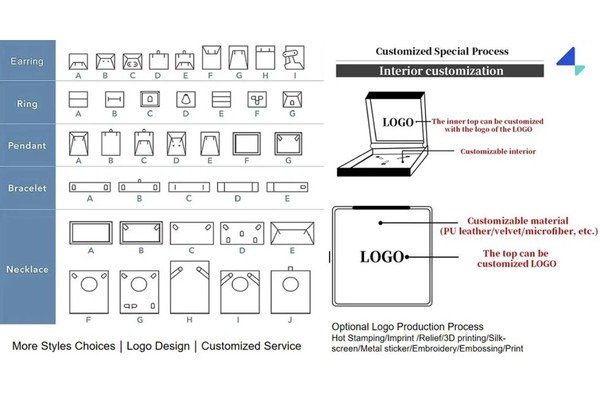
From the factory side, inserts are often the most important part of luxury jewelry box packaging. The outside box can look perfect, but the customer opens the box to see the jewelry first.
Ring Inserts
Ring inserts usually use foam, velvet, flocked material, or wrapped paperboard. The slot angle must match the ring size and style.
If the slot is too loose, the ring may move. If it is too tight, the customer may feel it is hard to remove. For engagement rings, the display angle is very important. The ring should stand naturally and face the customer.
For small ring boxes, tolerance is also important. A difference of 1–2 mm can change the whole look.
Necklace Inserts
Necklace packaging needs more thinking. A necklace has a pendant, chain, clasp, and sometimes a card. The insert must hold the pendant in the right place and hide or arrange the chain neatly.
Before developing a custom necklace box, I usually confirm the following details with buyers:
| Key Information | Why It Matters for Insert Design |
|---|---|
| Necklace chain length | Decides the hidden storage space |
| Pendant size and weight | Affects the center display position |
| Chain thickness | Helps choose slots, hooks, or elastic |
| Pre-packed shipping or separate packing | Decides how much movement control is needed |
| Certificate or warranty card | Affects the inner layout |
| Target market | Influences the display style |
For premium necklace packaging, common solutions include die-cut cards, hidden chain channels, elastic loops, and foam-backed display panels. The goal is simple. The pendant should stay centered, the chain should not tangle, and the customer should remove it easily.
Some necklace inserts use small holes and elastic. Some use a card panel. Some use a raised pad with hidden chain space. The best method depends on the product and brand feeling.
Bracelet Inserts
Bracelets can be soft chains, bangles, cuffs, or charm bracelets. Each type needs a different support method.
A soft bracelet can sit on a flat insert with elastic. A bangle may need a curved pad. A cuff may need a stronger pillow or shaped support.
If the bracelet is heavy, the insert should not collapse. If it is polished metal, the insert surface should be soft enough to prevent scratches.
Multi-Jewelry Layouts
Some brands want one box for a necklace, bracelet, and ring set. This can look high value, but it needs careful spacing.
The box should not look crowded. Each item should have its own visual position. The insert should also make it easy for customers to remove each piece.
For this type of project, I always suggest making a white sample or structure proof first. It helps confirm the layout before printing and finishing.
Which Finish Options Make Branded Jewelry Packaging Look Premium?
Finish options make the logo and surface more memorable. But each finish has limits. A good result depends on logo size, material texture, color contrast, and production method.
Premium finish options for branded jewelry packaging include hot foil stamping, embossing, debossing, spot UV, soft-touch lamination, textured paper, metallic paper, and custom ribbon. For luxury jewelry packaging, the finish should not be too crowded. One strong logo effect and one good surface texture often look more expensive than many effects together.
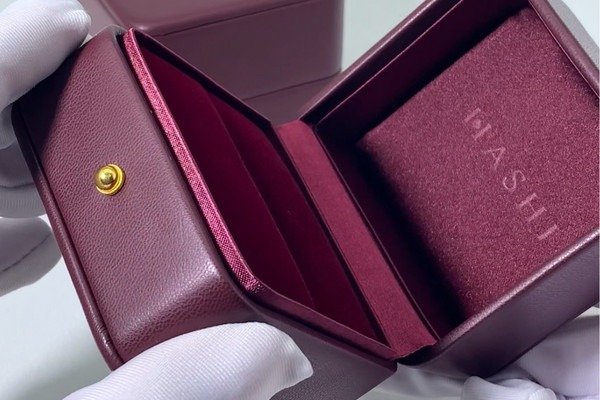
Many buyers ask for foil, embossing, debossing, UV, and texture in one design. It can work sometimes. But it can also look too busy.
Hot Foil Stamping
Hot foil stamping is one of the most common choices for luxury jewelry packaging. Gold foil and silver foil are classic. Rose gold, champagne gold, and black foil can also look refined.
Foil works best on clean logos with enough line thickness. Very thin lines may break. Very small letters may not stamp clearly.
If the brand wants a luxury look, foil is usually a safe option. It gives strong contrast and catches light well.
Embossing and Debossing
Embossing makes the logo raised. Debossing presses the logo down. Both create a tactile feeling.
Blind debossing is subtle and elegant. But on light color paper, it may be too quiet. The logo may not be visible from far away. In that case, foil debossing or printed logo with debossing may work better.
For a box for jewelry luxury brand, I often suggest testing the logo size first. A small logo may be better with foil. A larger logo may look good with blind deboss or spot UV.
Spot UV
Spot UV adds glossy contrast on a matte surface. It is useful when the brand wants a black-on-black or tone-on-tone effect.
Spot UV can also create a raised visual feeling. It is not the same as real embossing, but it can look premium with soft-touch matte lamination.
For dark packaging, black spot UV on matte black can be very elegant. It is subtle but still visible under light.
Ribbon, Sleeve and Printed Interior
Branded jewelry packaging does not stop at the box. Ribbon, sleeve, tissue paper, certificate card, and shopping bag can create a full brand system.
A sleeve can protect the box and add another branding area. A printed interior can surprise the customer when opening the lid. A ribbon can help the customer remove the product or create a gift feeling.
| Finish | Best Effect | Good For | Watch Out |
|---|---|---|---|
| Gold foil | Bright luxury logo | Premium brands | Thin lines may break |
| Blind deboss | Subtle tactile logo | Minimal designs | Low contrast |
| Spot UV | Glossy contrast | Matte boxes | Needs clean artwork |
| Soft-touch lamination | Smooth hand feel | Modern luxury | Dark colors need care |
| Printed interior | Surprise detail | Storytelling brands | Needs layout control |
| Custom ribbon | Gift feeling | Sets and launches | Color matching needed |
A luxury box should feel calm and intentional. The finish should help the jewelry, not fight with it.
How Can Buyers Check If a Jewelry Box Supplier Is Reliable?
Many buyers worry about supplier reliability. This is normal, especially for first orders. The best way to reduce risk is to ask for a clear process, proof, sample, and realistic timeline.
A reliable luxury jewelry box packaging manufacturer should explain the structure, material, insert, finish, sample process, production timeline, and shipping limits before asking you to move forward. Buyers should request reference photos, material suggestions, artwork proof, physical sample, and clear communication. This helps avoid surprise costs and quality problems during mass production.
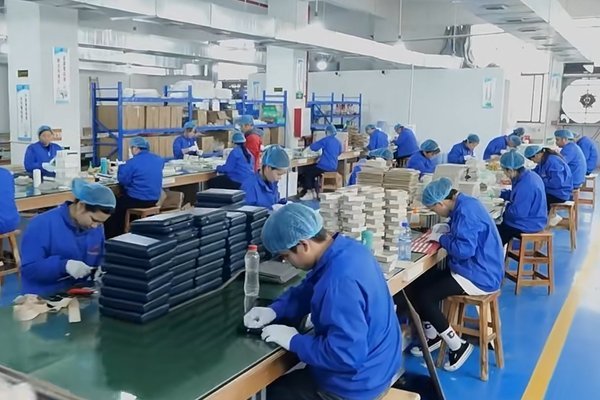
From the buyer side, the biggest fear is simple. You do not know if the supplier can really make what they promise.
I understand this feeling. Many buyers ask if they can see a sample first. They also ask how long production takes, how proofing works, and whether the factory will communicate clearly.
What I Suggest Buyers Send First
To check feasibility fast, buyers should send clear project details. This helps the factory give better advice instead of only giving a rough price.
| Buyer Information | Why the Factory Needs It |
|---|---|
| Product size | To design the box and insert |
| Target quantity | To check cost and production method |
| Reference photo | To understand style and finish |
| Logo file | To check foil, print, or embossing |
| Shipping country | To estimate packing and freight risk |
| Target budget level | To suggest practical material options |
With these details, I can check whether the idea is suitable for rigid box production. I can also suggest a more practical option if the first design is too costly or risky.
This is important for first orders. A supplier may say “yes” too quickly. But a real factory should explain what can be made, what needs testing, and what may change after sample proof.
Sample and Proof Process
For a custom box, I do not suggest going straight to mass production. A sample helps both sides check the real result.
A normal process can be:
- Confirm product size and box style.
- Choose material, insert, and finish.
- Make dieline or layout proof.
- Produce a white sample or printed sample.
- Adjust details if needed.
- Start mass production after approval.
A white sample is useful for size, structure, and insert testing. A printed sample is better for color, logo, and finish checking.
For high end jewelry packaging, I strongly suggest checking insert fit before mass production. This is more important than only checking the outside box.
Timeline Transparency
A reliable supplier should not promise an unrealistic timeline. Luxury boxes involve paper wrapping, logo finish, insert making, assembly, and quality control.
If the box has many handwork steps, production time will be longer. If the insert is complex, sampling may need extra time. If the logo uses embossing or foil, a metal plate may be needed.
Clear communication is more important than a very fast promise. A factory should tell you what can be done, what needs testing, and what may increase cost.
How to Read a Supplier’s Communication
Good communication is not only fast reply. It should be useful reply.
If a supplier only gives a price without asking about product size, insert layout, logo file, or quantity, the quote may not be reliable. The price may change later because many details were not checked.
A better supplier will ask practical questions. They may also suggest changing the insert, reducing a difficult finish, or making a white sample first. This is not delay. It is a way to protect the project.
For new buyers, I suggest checking these points:
| What to Check | Good Sign | Risk Sign |
|---|---|---|
| Sample option | They explain white sample and printed sample | They push mass production first |
| Artwork proof | They provide layout or dieline proof | They only use verbal confirmation |
| Material advice | They explain pros and limits | They say every material is perfect |
| Timeline | They explain sample and mass timing | They promise very fast without details |
| Communication | They ask clear questions | They avoid technical details |
Why Factory-Side Feasibility Matters
A beautiful design can still fail in production. The corner may be hard to wrap. The logo may be too thin for foil. The insert may not hold the necklace. The surface may scratch too easily.
This is why I prefer to check the full project before quoting too quickly. It protects the buyer and the factory.
If you are planning a new luxury jewellery packaging project, send us your product size, target quantity, and reference photo. We can check the structure, material, insert, and finish options from the factory side.
Conclusion
Custom luxury jewelry boxes need more than a nice photo. The best result comes from clear product details, practical materials, correct inserts, and proven finish options. Send your product size, target quantity, and reference photo, and we can check the best factory-side solution.