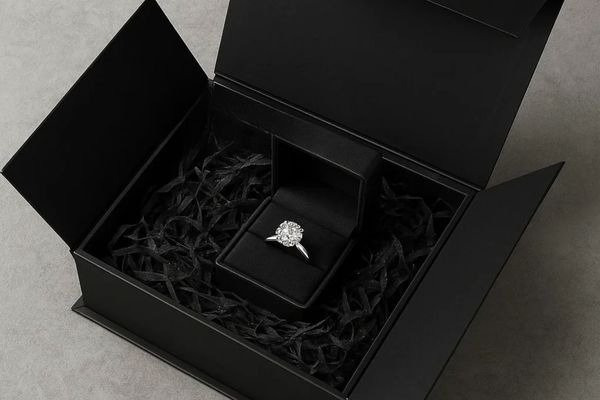
Small jewelry can feel much more valuable when the box is designed well. For custom jewelry boxes with logo, I always look beyond size. The insert, velvet color, finger notch, logo finish, and gift feeling all change how the customer sees the piece.
Custom jewelry boxes with logo help small products look more premium by combining the right box structure, logo method, and insert design. Foil stamping gives shine and luxury. Debossing gives a quiet tactile feel. Velvet or flocked inserts hold rings, earrings, necklaces, and bracelets neatly. A good jewelry box logo should match the brand style, product value, and customer unboxing moment.
Before choosing a box, it is better to think like the buyer first.
Why Do Custom Jewelry Boxes with Logo Make Small Jewelry Feel More Valuable?
Jewelry is often small, but the feeling cannot be small. The box needs to create weight, protection, and a gift moment before the customer touches the product.
Custom jewelry packaging with logo makes jewelry feel more valuable because it frames the product like a gift. A rigid box, soft lining, clean logo, and fitted insert create a stronger first impression. For rings, earrings, and necklaces, the insert is often more important than the outside size. It controls how the product sits, shines, and looks in photos.
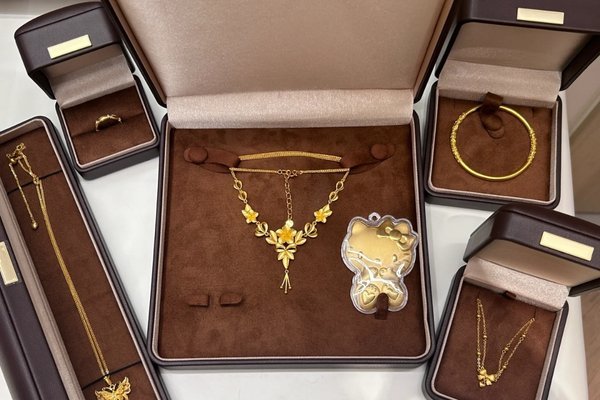
From the factory side, I usually do not start with the box size only. I first ask what jewelry will go inside. A ring, a pair of earrings, a necklace, and a bracelet need different display logic.
A ring needs height and a clean center position. Earrings need holes, slots, or a small card. A necklace needs a chain area, hooks, or a hidden space to tuck the chain. A bracelet needs a soft groove or pillow style support.
The box is the stage
The jewelry is the main product, but the box is the stage. If the insert is too flat, the jewelry may look cheap. If the jewelry moves inside, the customer may feel the product is not protected.
For premium jewelry, I normally suggest a rigid box instead of a thin paper box. The stronger board gives more hand weight. The clean opening also makes the product feel more serious.
| Jewelry Type | Insert Focus | Buyer Feeling |
|---|---|---|
| Ring | Center slot, soft velvet, stable hold | Precious and gift-ready |
| Earrings | Earring card, holes, or raised pad | Neat and easy to display |
| Necklace | Chain tuck area, hooks, soft pad | Clean and premium |
| Bracelet | Long groove, pillow, or elastic fixing | Protected and elegant |
The buyer sees details first
Many buyers worry that a small box may not look expensive. I understand this concern. The solution is not always making the box larger. The better solution is controlling the inside details.
A small box with a deep velvet insert can look more premium than a large empty box. A small logo with foil can also look more refined than a big printed logo.
For this reason, I often suggest brands test the jewelry position first. Once the product sits beautifully, the outer box becomes easier to confirm.
Should You Choose Foil Stamping, Debossing, or Printing for a Jewelry Box Logo?
The logo method should match the brand feeling. Foil stamping is more visible. Debossing is more subtle. Printing is better for colors, gradients, or simple budget control.
For a jewelry box logo, foil stamping is best when you want a bright luxury effect. Debossing is better when you want a quiet and tactile premium look. Printing is useful for full-color logos or lower-cost branding. For custom jewelry boxes with logo, many brands combine foil and debossing to create a stronger 3D logo effect.

Logo finishing is one of the most important choices in custom jewelry packaging with logo. It decides whether the box feels luxury, minimal, soft, modern, or bold.
Foil stamping uses heat and pressure to apply metallic foil onto the surface. Gold, silver, rose gold, champagne gold, and black foil are common choices. For jewelry brands, gold foil on black, cream, dark green, or burgundy paper often works well.
When foil stamping works best
Foil is good when the buyer wants the logo to be seen quickly. It catches light and looks strong in photos. This is helpful for online brands because customers often see the box on social media.
However, foil needs enough line thickness. If the logo is too thin, the foil may break or look weak. Very small letters also need checking before production.
| Logo Method | Best For | Watch Out For |
|---|---|---|
| Gold foil stamping | Luxury jewelry, gift sets, black boxes | Very thin lines may not stamp well |
| Silver foil stamping | Modern, clean, bridal, white boxes | Can look cold if paper color is wrong |
| Blind debossing | Minimal luxury, quiet branding | May be too subtle on light paper |
| Printed logo | Color logo, budget control, full artwork | Less tactile than foil or debossing |
| Foil + deboss | High-end gift feeling | Needs good logo artwork and plate setup |
When debossing works best
Debossing presses the logo down into the paper. It feels quiet and premium. It works very well for brands that do not want too much shine.
But blind debossing can be too subtle on some light papers. If the buyer wants the logo to be clearly visible, I may suggest foil debossing instead. This gives both depth and shine.
For a luxury jewelry box, I usually avoid over-decorating the logo. One clean jewelry box logo is often enough. The box should support the jewelry, not compete with it.
How Should Inserts Be Designed for Rings, Earrings, Necklaces, and Bracelets?
The insert should hold the product, protect it, and present it beautifully. For jewelry, the insert is not just padding. It is part of the visual design.
Jewelry box insert design should start from product shape, not only box size. Rings need a firm slot. Earrings need holes or a display card. Necklaces need hooks and space for the chain. Bracelets need a groove, pillow, or elastic fixing. Velvet, flocked paper, EVA, and paper-wrapped inserts can all be used depending on budget and brand level.
Many jewelry buyers ask for custom earring packaging or necklace boxes first. But when I check the product, the real issue is often the insert. A good insert can make a small item look centered, clean, and expensive.
For earrings, the insert can be a small card wrapped with velvet or specialty paper. The earring holes must match the product. If the earrings are heavy, the card needs more support. If the earrings are delicate, the insert should not bend.
Velvet creates a stronger gift feeling
Velvet and flocked materials are popular because they create softness. Black velvet gives a strong luxury look. Beige or cream velvet feels softer and warmer. Dark brown can feel classic and jewelry-focused.
The inner color should also match the metal color. Gold jewelry often looks good on black, cream, brown, or deep green. Silver jewelry often looks good on black, grey, navy, or white.
| Product | Insert Suggestion | Extra Detail |
|---|---|---|
| Ring | Velvet slot or sponge ring pad | Keep the ring upright |
| Stud earrings | Velvet card with holes | Add finger notch if needed |
| Long earrings | Taller card or hanging holes | Avoid touching the bottom |
| Necklace | Hooks plus chain tuck area | Hide extra chain neatly |
| Bracelet | Pillow, groove, or elastic band | Prevent movement during shipping |
Finger notches help the user experience
A finger notch is a small half-moon cut. It helps customers lift the insert or product card. This detail looks small, but it matters in real use.
Without a finger notch, the buyer may struggle to remove the jewelry. With a clean notch, the box feels more thoughtful. For premium custom jewelry boxes with logo, these small details often create the luxury feeling.
For factory design, I also check product weight. A heavy bracelet needs stronger support than a thin chain necklace. A soft insert may look nice, but it still needs structure under the surface.
Which Box Structure Works Best for Custom Jewelry Packaging with Logo?
The best structure depends on the jewelry type, retail price, quantity, and shipping method. A premium look can come from several structures, not only one style.
For custom jewelry packaging with logo, common structures include lid-and-base boxes, magnetic clamshell boxes, drawer boxes, and shoulder-neck boxes. Magnetic boxes give a strong gift feeling. Drawer boxes feel interactive. Lid-and-base boxes are simple and cost-friendly. Shoulder-neck boxes are good for a tight, refined opening effect.
A jewelry box must feel good when opened. This is why structure matters. The same logo and insert can feel very different in different boxes.
A lid-and-base box is simple and useful. It is often good for ring boxes, earring boxes, and small gift boxes. It can be made with rigid board and wrapped paper. It gives a clean look without too much cost.
Magnetic boxes feel more gift-ready
A magnetic clamshell box opens like a book. It feels more premium because the opening is controlled. For necklaces, bracelets, and gift sets, this structure can create a better unboxing moment.
The lid can also hold a thank-you card, ribbon detail, or brand message. This makes the box feel more complete as a gift.
| Box Structure | Best Use | Buyer Advantage |
|---|---|---|
| Lid-and-base box | Rings, earrings, simple jewelry | Clean, classic, cost-friendly |
| Magnetic clamshell box | Necklaces, bracelets, gift sets | Strong unboxing and gift feeling |
| Drawer box | Earrings, bracelets, small sets | Interactive and retail-friendly |
| Shoulder-neck box | Premium rings, small luxury pieces | Tight opening and refined feel |
| Foldable rigid box | Larger jewelry sets | Lower shipping volume |
Drawer boxes create interaction
A drawer box can make the customer feel like they are discovering something. This is useful for custom earring packaging or bracelet packaging. A ribbon pull can make the opening easier and more elegant.
However, drawer boxes need correct clearance. If the fit is too tight, it becomes hard to open. If it is too loose, it may feel cheap. From the factory side, this is a small but important balance.
For premium jewelry, I usually suggest choosing the structure after we know the product size, product value, and shipping plan. A beautiful box must also be practical for storage, packing, and delivery.
What Details Should Buyers Confirm Before Making a Jewelry Box Sample?
A sample becomes much easier when the product details are clear. This saves time, reduces changes, and helps the factory suggest the right structure.
Before making custom jewelry boxes with logo, buyers should confirm product size, product weight, jewelry type, logo artwork, target quantity, outer material, inner lining, insert style, and delivery country. These details help the factory recommend board thickness, box structure, logo method, insert design, and shipping-friendly packing before sampling.
A good sample is not only about making a box. It is about testing the full packaging logic. The jewelry should fit well. The logo should look clean. The insert should hold the product. The box should open smoothly.
When a buyer only gives a rough box size, it is hard to design the best solution. Two necklaces with the same length may need different inserts. One may have a pendant. One may have a thick chain. One may need a card. One may need hooks.
What I usually ask first
I usually ask for the product photo, product dimensions, product weight, and quantity. If the buyer has a reference packaging photo, that is very helpful. It shows the expected level.
Logo artwork is also important. Vector files are best because they help us check foil, debossing, and printing. If the logo is very thin, we may need to adjust the process.
| Information Needed | Why It Matters |
|---|---|
| Product dimensions | Controls box and insert size |
| Product weight | Helps choose insert support |
| Jewelry type | Decides display method |
| Logo artwork | Helps check foil and debossing |
| Quantity | Affects structure and cost logic |
| Delivery country | Helps estimate packing and shipping |
| Reference photo | Shows target quality level |
The best packaging is product-specific
A ring brand, a bridal jewelry brand, and a fashion jewelry brand may all ask for custom jewelry boxes with logo. But they should not use the same solution.
A bridal brand may need soft colors, foil, and a romantic gift feeling. A fashion jewelry brand may need bold color and strong logo visibility. A fine jewelry brand may prefer quiet debossing, velvet, and a heavier rigid structure.
That is why I normally suggest an industry-specific rigid box solution. It gives the buyer a better starting point. It also helps avoid paying for details that do not help the product sell.
For your own project, you can send the jewelry type, product size, product weight, logo file, target quantity, and delivery country. I can suggest a structure, insert style, material direction, and logo finish that match your product category.
Conclusion
Custom jewelry boxes with logo should make small jewelry feel more valuable, protected, and gift-ready. The best result comes from the right structure, logo finish, velvet insert, and display detail. Request an industry-specific rigid box suggestion before sampling.