Custom Luxury Boxes for Premium Brands
Luxury packaging should feel considered before the product is even revealed.
Typical MOQ: 1,000 pcs
Selected projects from 500 pcs
Pantone · Foil · Embossing · Specialty Paper · Custom Inserts
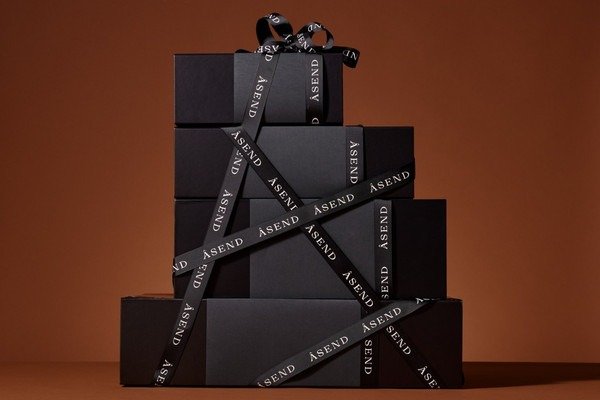

Real Facotry
20+ Years Export Experience, Factory-Direct Manufacturing, International Shipping Support
Rapid production
Custom sample: typically 7–10 days
Mass: 20-30 days after sample approval.
MOQ
Typical MOQ: 1,000 pcs
Selected projects from 500 pcs
All customized
Custom size · Inserts · Pantone · Foil · Embossing · Specialty papers
Luxury Starts With the Right Packaging Decision
A beautiful reference image is only the beginning. The box still needs to work around your product, quantity, budget and customer experience.
LAUNCHING A NEW PRODUCT?
You may know how you want the brand to feel without knowing the exact box structure, paper or insert.
Start with:
Product dimensions
Reference images
Target quantity
Brand direction
We help define:
Structure
Materials
Insert
Finishing
Production specification
UPGRADING EXISTING PACKAGING?
Your current box may look acceptable but still have problems with surface marks, shipping volume, insert fit or overall presentation.
We can review:
Structure
Materials
Opening experience
Insert
Shipping efficiency
Production complexity
ALREADY HAVE A DESIGN?
Send your dieline, artwork or existing specification.
We can review:
Production feasibility
Material suitability
Finishing
Insert construction
Possible cost or shipping improvements
Choose the Right Luxury Box Structure
The most expensive structure is not automatically the most luxurious. The right box should match the product, opening experience and shipping reality.

A premium opening experience for fragrance, beauty, jewelry and gift sets. Best when presentation and repeated opening matter.
Best when you want: A strong opening experience with generous branding space.
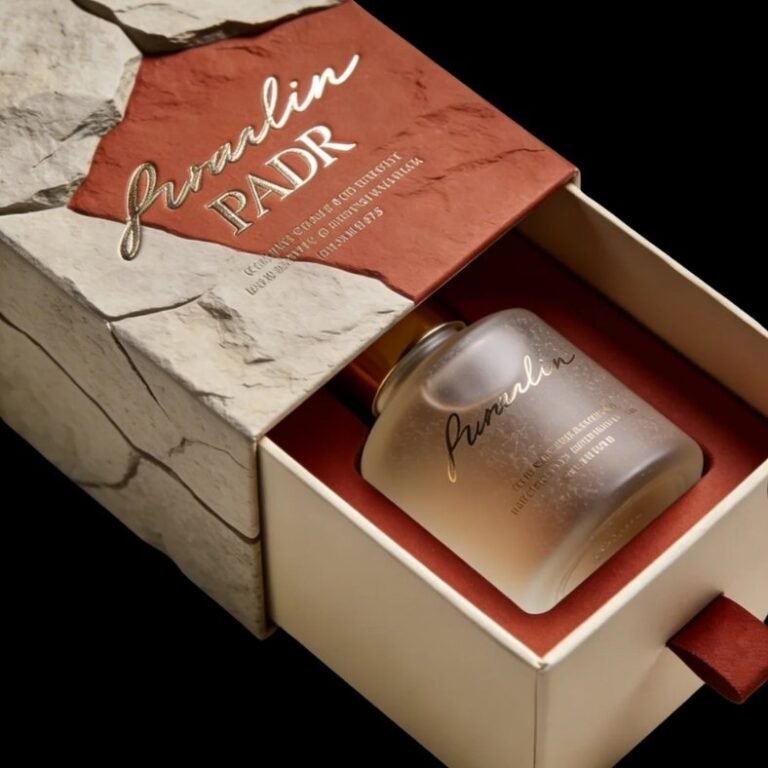
A controlled reveal for product sets, accessories and presentation packaging. Good when the unboxing sequence is part of the brand experience.
Best when you want: A layered reveal for jewelry, cosmetics, fragrance or accessories.
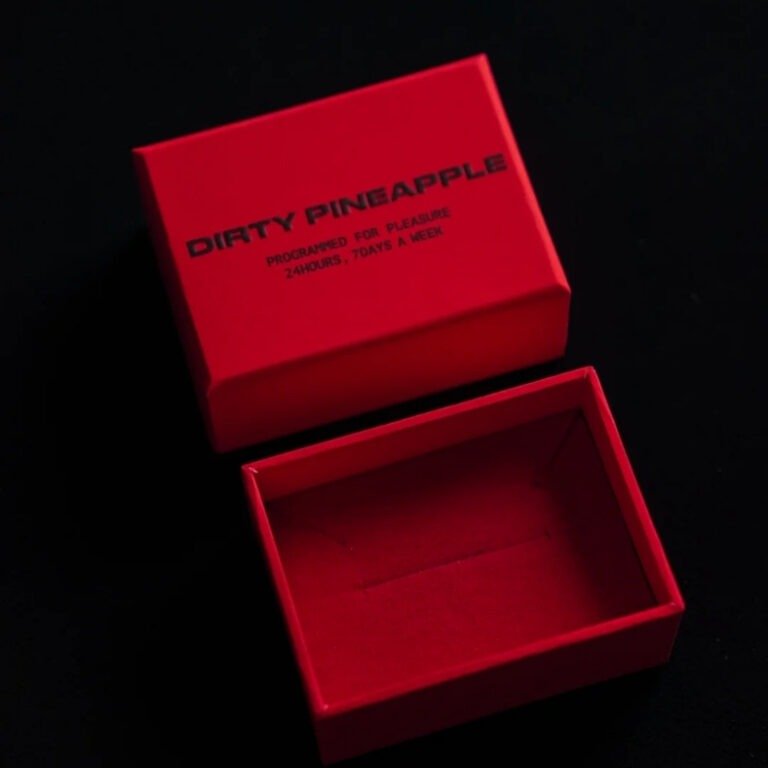
A clean, classic structure for premium retail packaging. Flexible in size, finish and insert design, with relatively simple assembly.
Best when you want: A clean, timeless presentation with flexible size and finishing options.

A rigid base with an inner shoulder visible between the lid and base. The exposed shoulder can become part of the color and design language of the packaging.
Best when you want: A precise, architectural presentation with a stronger sense of construction.

A controlled reveal for product sets, accessories and presentation packaging. Good when the unboxing sequence is part of the brand experience.
Best when you want: A large presentation box without shipping unnecessary empty volume.
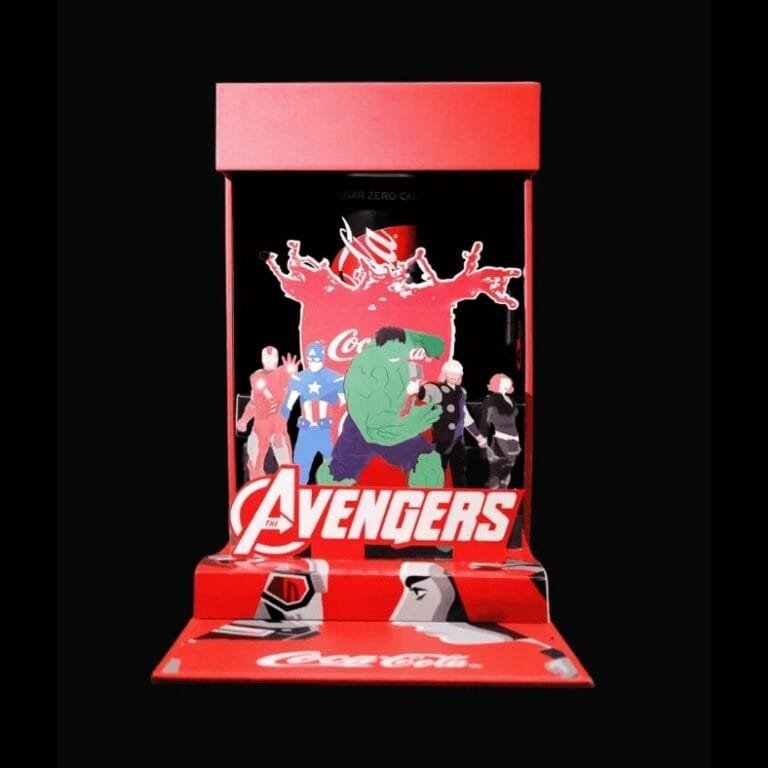
Double-door boxes, multi-layer sets, sleeves, book-style constructions and other custom formats can be developed around a specific product or opening sequence.
Best when you want: The packaging experience itself to become part of the product presentation.
Launching a New Product?
You may know how you want the brand to feel without knowing the exact box structure, board thickness or insert material.
Send us your product dimensions, reference images and target quantity. We can help turn the idea into a practical box specification.
What Actually Makes a Box Feel Luxury?
Luxury is rarely created by adding more decoration. It usually comes from getting several details right at the same time.
The Branding
Foil stamping, embossing, debossing, spot UV and printed details work best when they support the design rather than compete with it.
Sometimes one restrained logo treatment creates a stronger luxury impression than several decorative finishes.
The Structure
Board thickness, corner accuracy, opening resistance, lid fit and overall proportion strongly affect how the finished box feels in the hand.
A premium box should feel intentional—not simply heavy.
The Surface
Choose from smooth printed papers, soft-touch surfaces, textured specialty papers, leather-grain effects and other premium wrapping materials.
The right surface should support your brand positioning and still perform during production, packing and transport.

The Insert
The presentation inside the box matters as much as the exterior.
We develop paperboard, EVA, EPE, fabric-covered and other insert solutions according to product weight, shape, protection requirements and sustainability goals.
The Opening Experience
A lid that is too loose can feel inexpensive.
A magnetic lid that snaps too aggressively can feel wrong.
A product sitting too low or too high in the insert changes the whole presentation.
These details are reviewed during structural development and sampling—not after mass production.
Not Sure Which Structure Fits Your Product?
Share your product size, quantity, target market and reference images. We can suggest a practical rigid box structure, insert and finish direction before you move into detailed sampling.
Premium Materials & Finishes
Your packaging does not need every finish. It needs the right combination.
Foil Stamping
Metallic accents for logos and key details.
Emboss / Deboss
Adds subtle depth and tactile detail.
Soft-Touch / Anti-Scratch
Premium hand-feel with better surface protection.
Specialty Paper
Adds texture without excessive decoration.
Choose the finish that supports the brand — not simply the most processes.
The Insert Is Part of the Luxury Experience
A premium box can still feel unfinished if the product moves or looks lost inside. We select the insert around the actual product—not around a generic cavity.
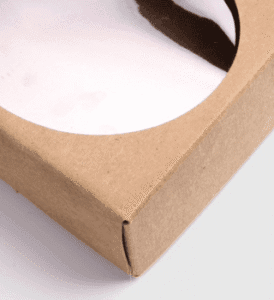


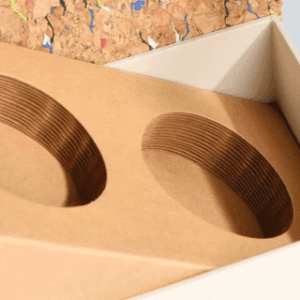

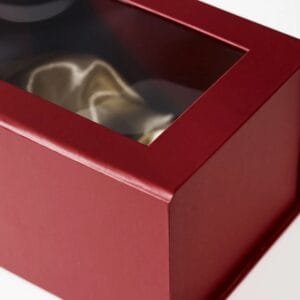

Paperboard Inserts
Clean, recyclable and suitable for many cosmetics, accessories, gift sets and lightweight products.
Wrapped Paper Inserts
Rigid or folded paper structures wrapped with matching or contrasting paper for a more integrated presentation.
EVA / Foam Inserts
Useful where a more precise cavity or stronger product retention is required. Surface cards, flocking or fabric can be added depending on the presentation.
Fabric & Velvet-Covered Inserts
Adds tactile softness for jewelry, watches and selected premium accessories. The interior itself is part of the luxury experience.
Plastic-Free Options
Where appropriate, we can explore paper-based structures that reduce or eliminate plastic components. The best insert depends on the product weight, fragility, presentation goal, quantity and target cost.
Packaging Built Around Your Product
Different products need different structures, protection and presentation.
Consumer Electronics
Protect devices and accessories while keeping the unboxing clean and organized.
Custom inserts can hold products, cables and components securely in place.
Fragrance & Beauty
Support glass bottles, jars and sets with precise inserts and controlled presentation height.
Magnetic, shoulder and lid-and-base boxes create a refined reveal.
PR & LAUNCH KITS
Bring multiple products together in one coordinated presentation. Layered inserts and compartments help organize campaign kits, influencer mailers and limited-edition launches.
Fashion & Lifestyle
Create a premium presentation for apparel, leather goods and accessories.
Rigid or collapsible structures can balance visual impact with practical shipping volume.
Jewelry & Accessories
Present smaller products with precise positioning and a softer interior feel. Compact rigid boxes, wrapped inserts and velvet or fabric finishes add refinement without unnecessary bulk.
REAL PROJECTS. PRACTICAL PACKAGING DECISIONS.
See how structure, materials and production details were refined for different premium packaging projects.
MULTI-SKU PACKAGING
Instead of developing a different rigid box for every SKU, we refined the packaging system so multiple products could share the same premium presentation. This reduced unnecessary box versions and made reorders easier to manage.
Focus: SKU consolidation · Insert planning · Repeat orders
PREMIUM GIFT PACKAGING
The artwork relied heavily on texture, surface and metallic details.
We reviewed the paper, printing and finishing combination to keep the final box refined without making the production unnecessarily complicated.
Focus: Specialty paper · Foil · Surface finish
PR / PRESENTATION KIT
The original concept created a strong visual impact, but the internal structure needed to be practical for assembly and repeat production.
During sampling, we refined the construction while keeping the intended presentation experience.
Focus: Structure · Insert engineering · Assembly
Designed Around Your Brand — and Your Commercial Reality
Luxury packaging still has to make commercial sense.
A good packaging solution should balance brand presentation, production cost, shipping volume and repeat-order consistency.
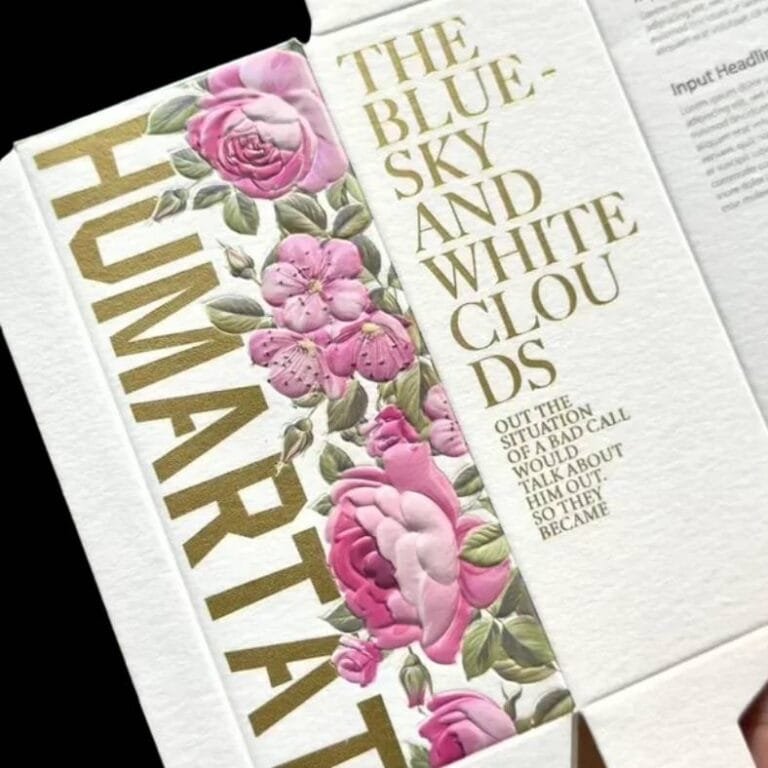
Printed Art Paper + Soft-Touch
A strong option when you need controlled brand color and a smooth premium surface without immediately moving to expensive specialty paper.
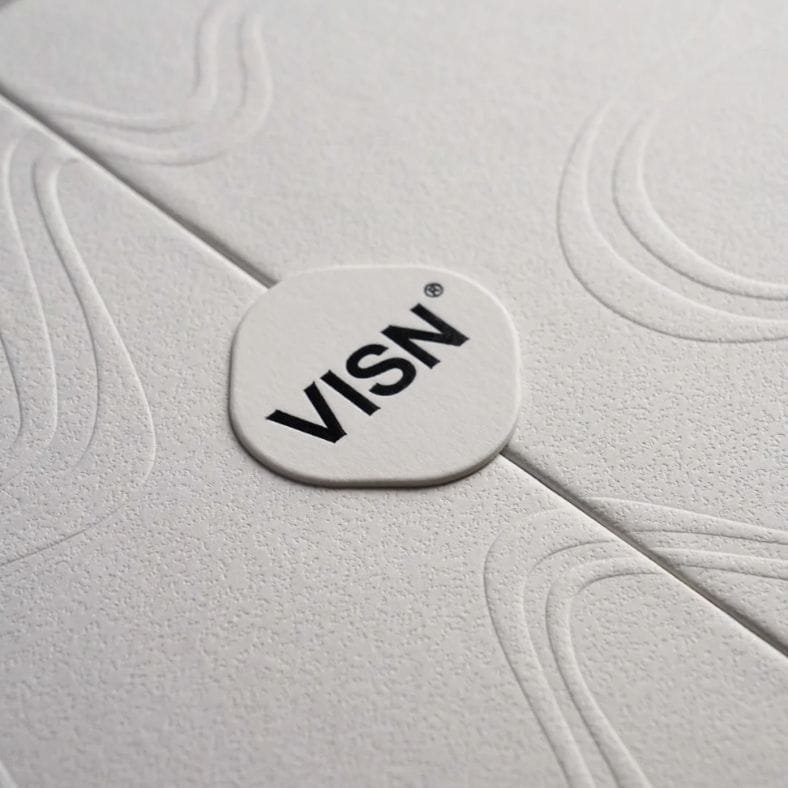
Specialty Paper + Restrained Branding
Useful when material texture is more important than complex graphics.
A small foil or debossed logo can sometimes create a stronger premium impression than full-surface decoration.

Foil or Embossing Only Where It Matters
Not every panel needs a special finish.
Concentrating finishing on key brand elements can improve visual focus while controlling tooling and production complexity.
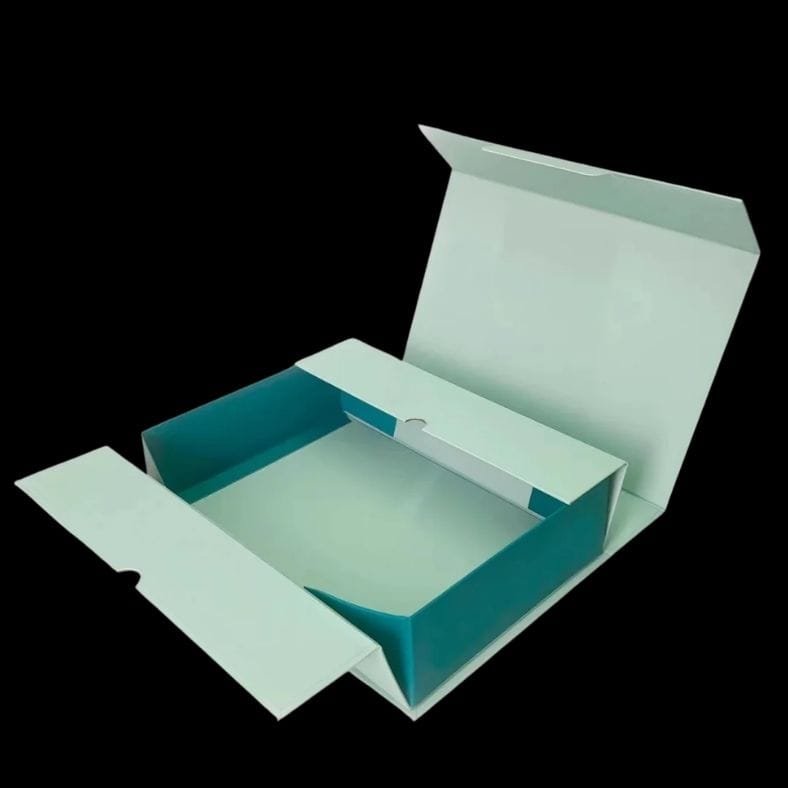
Collapsible Structure for Larger Boxes
Large assembled rigid boxes can create significant international shipping volume.
For selected projects, a collapsible structure can maintain premium presentation while reducing freight and storage volume.
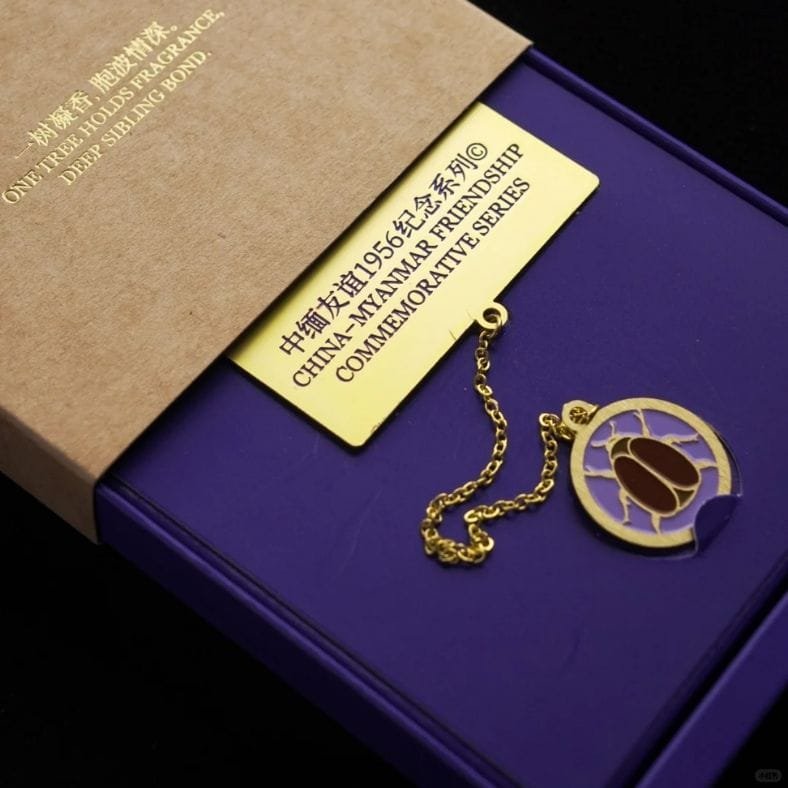
Paper-Based Insert Where Practical
If sustainability, recyclability or efficient assembly matters more than thick foam presentation, a paper-based insert may be the better choice.
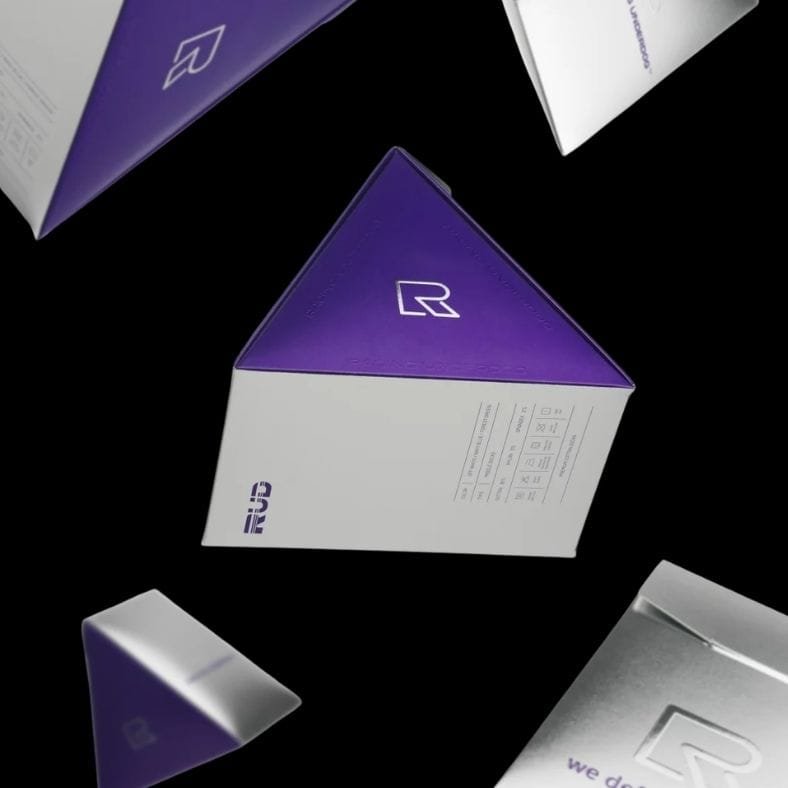
Color & Finish Balance
Dark colors, soft-touch surfaces and metallic finishes can look premium, but they also show fingerprints, scratches and color variation more easily.
The material and surface treatment should be chosen together, not separately.
From Reference Image to Production-Ready Packaging
You do not need to know every technical specification before contacting us. We develop the details step by step.
01 — Tell Us About the Product
Send the product dimensions, quantity, target market and any reference images or existing artwork. If you already know the box style, include it. If not, that is fine.
02 — Structure & Material Review
We review the box size, structure, insert, materials, finishes and production quantity together. Where useful, we may suggest a simpler, stronger or more shipping-efficient alternative.

03 — Dieline & Sampling
Once the direction is confirmed, the packaging structure can be translated into a production dieline and sample. Custom sample timing is typically around 7–10 working days after the key specifications and artwork are confirmed.
04 — Review the Real Box
The sample is where we review: Color Surface feel Logo finishing Insert fit Opening and closing Product position Overall proportions Necessary adjustments should be made here—not during mass production.
05 — Mass Production & Quality Control
After sample approval, production follows the confirmed specification. Key production and finishing points are checked throughout the process, with final QC before shipment.
06 — International Delivery
Depending on destination, quantity and launch timing, we can discuss air, sea or combined shipping arrangements. For larger boxes, structural changes such as foldability or nesting may also reduce unnecessary freight volume.

See the Box Before Mass Production
Color, texture, fit and opening resistance are difficult to judge from a screen alone.
Existing reference sample
General workmanship or material reference.
White structural mockup
Structure and dimensions.
Custom printed prototype
Your dimensions, materials and artwork.
Pre-production sample
Final confirmation before production.
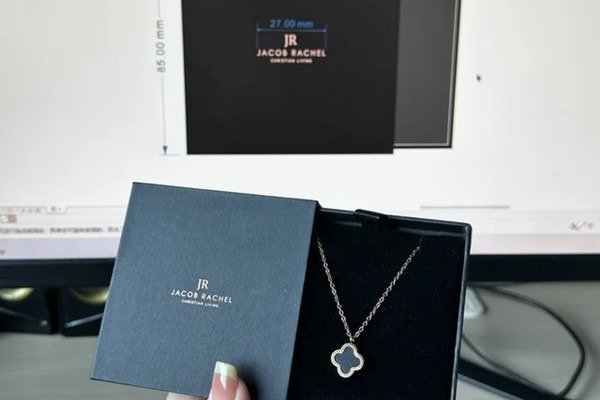

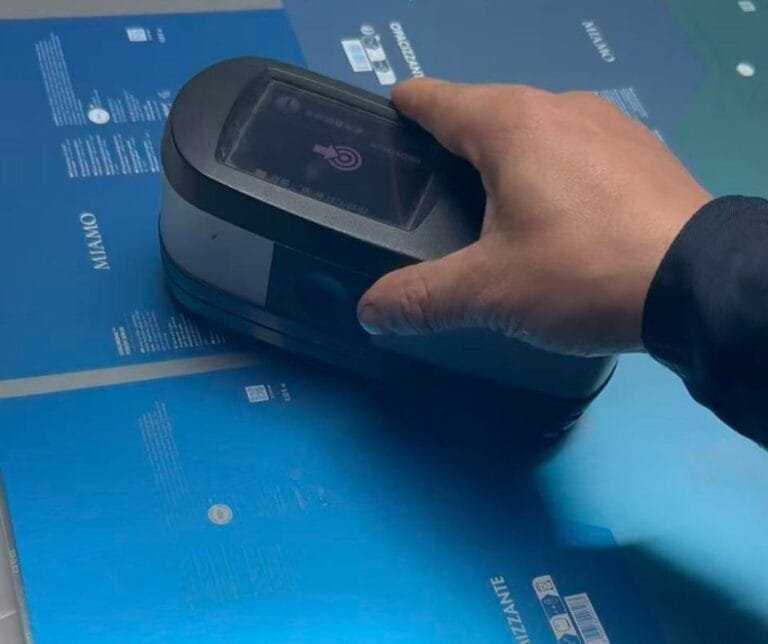
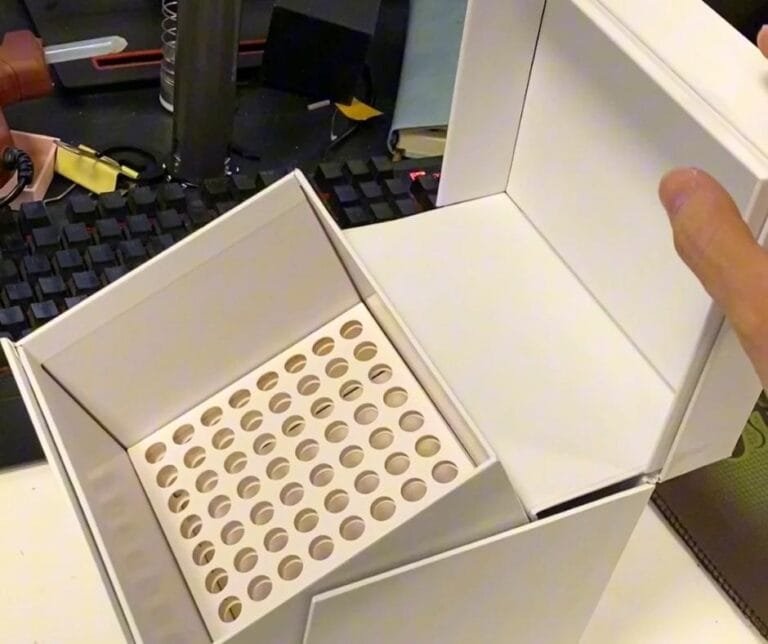
*Existing samples and custom-developed prototypes are different. Custom prototypes are quoted according to project complexit.
Beautiful Packaging Still Needs Repeatable Production
The goal is not only to create one beautiful sample, but to reproduce the approved result consistently across the production run.
Board & Die Cutting
Greyboard and wrap materials are prepared to the approved structure and dimensions.
Printing & Finishing
Printing, foil, embossing and surface finishes are checked against approved references.
Wrapping & Hand Assembly
Alignment, corners, hinges, magnetic panels and other structural details are controlled during assembly.
Insert Fitting
Insert position and product presentation requirements are checked before final packing.
Final QC & Packing
Finished boxes are reviewed for:
Structure
Surface appearance
Opening and closing
Insert fit
Logo finishing
Packing condition
See How the Boxes Are Made
A short look at cutting, wrapping, hand assembly and final quality control inside our production process.
What We Need to Quote Your Luxury Box
The fastest useful quotation starts with a few practical details.
Product or box size
Approximate dimensions are enough for an initial review.
Box style
Magnetic, drawer, lid & base, shoulder box, collapsible—or simply send a reference image.
Branding & finish
Artwork, Pantone colors, foil, embossing, texture or other requirements.
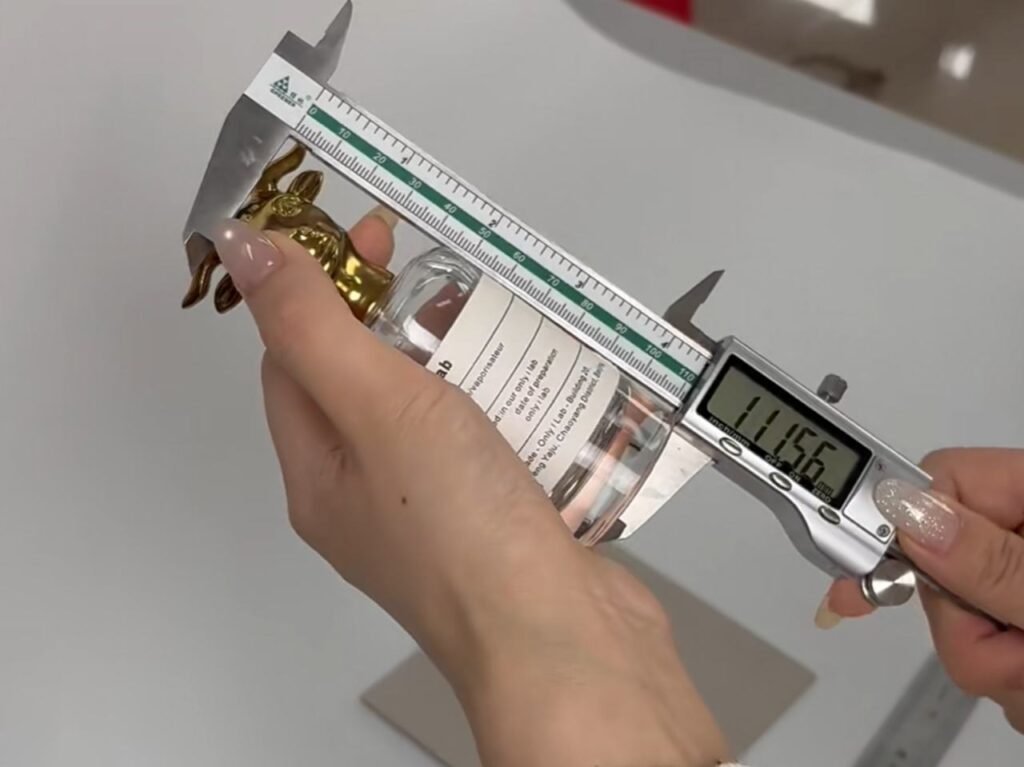
Insert requirements
Tell us what needs to sit inside the box and, if possible, share dimensions or product photos.
Destination country
This helps us consider packing and logistics from the beginning.
Have only a reference image?
Send it.
We can start from there.
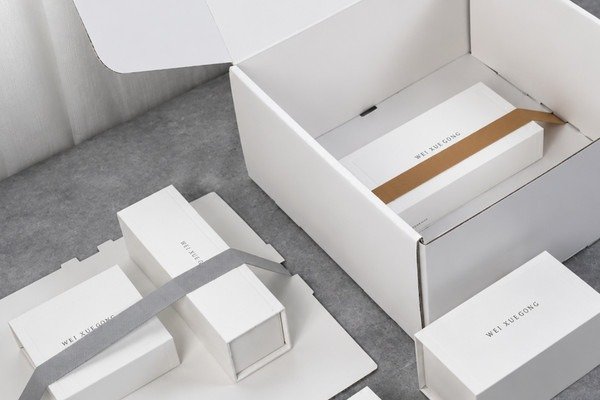
Tell Us About Your Luxury Packaging Project
- Reply within 12 business hours
- You do not need a finished specification before contacting us.
- Send us your product, target quantity and the look you are trying to achieve.
- We will review the project from a manufacturing perspective and for quotation.
Custom Rigid Box FAQs
Our typical production MOQ is 1,000 pieces per design or SKU.
Selected structures and projects may be possible from 500 pieces depending on size, materials, finishing and production requirements.
If you are still developing the product and are not ready for a production run, ask us separately about custom prototype development.
Yes.
A reference image can help us understand the intended style, but we still need to adapt the structure around your actual product dimensions, quantity, materials and manufacturing requirements.
We do not recommend simply copying dimensions from another brand’s box.
Yes.
Once the size and structure are confirmed, we can prepare the packaging dieline needed for artwork placement and production.
A custom sample typically takes around 7–10 working days after the key structure, materials, finishes and artwork are confirmed.
Complex structures or special materials may require additional time.
The major factors include:
Box dimensions
Order quantity
Board thickness
Wrapping paper
Printing method
Foil / emboss / UV or other finishing
Insert structure and material
Assembly complexity
Individual packing requirements
For international projects, freight can also be significant, especially with large non-collapsible rigid boxes.
Pantone references can be used where appropriate.
Final appearance can vary depending on whether the color is printed, dyed into specialty paper, laminated or combined with a particular surface texture.
For important brand colors, we recommend reviewing the physical sample before production.
Yes.
Depending on the project, FSC-certified paper options, paper-based inserts and plastic-reduced structures can be considered.
The best solution depends on the required appearance, protection, finishing and local recycling expectations.
Yes.
We can develop paperboard, wrapped-paper, foam/EVA, EPE and selected fabric-covered insert solutions according to the product and presentation requirements.
Yes.
We work with international packaging projects and can discuss practical delivery options according to order volume, destination and required timing.